If you are looking for a bathroom renovation contractor Toronto homeowners can actually trust, knowing exactly how to vet your options before signing a contract makes all the difference. For most property owners, remodeling a bathroom is a significant investment—especially when optimizing small bathroom renovations where every square inch of layout and plumbing must be perfect.
While bathrooms often have the smallest footprint in a home, they are the most technically complex. Plumbing, electrical circuitry, HVAC ventilation, and high-tech waterproofing all converge in a very tight space. As expert bathroom remodeling contractors, we know that if even one part of this integration fails, the issues won’t surface immediately—they appear six months later as expensive structural repairs or mold remediation.
In the GTA, where Ontario Building Code (OBC) standards are stringent, working with the right professional is the only way to safeguard your investment. This guide breaks down the essential criteria for hiring bathroom reno contractors so you can transition from a dated space to a modern sanctuary without the “renovation nightmare” stories.
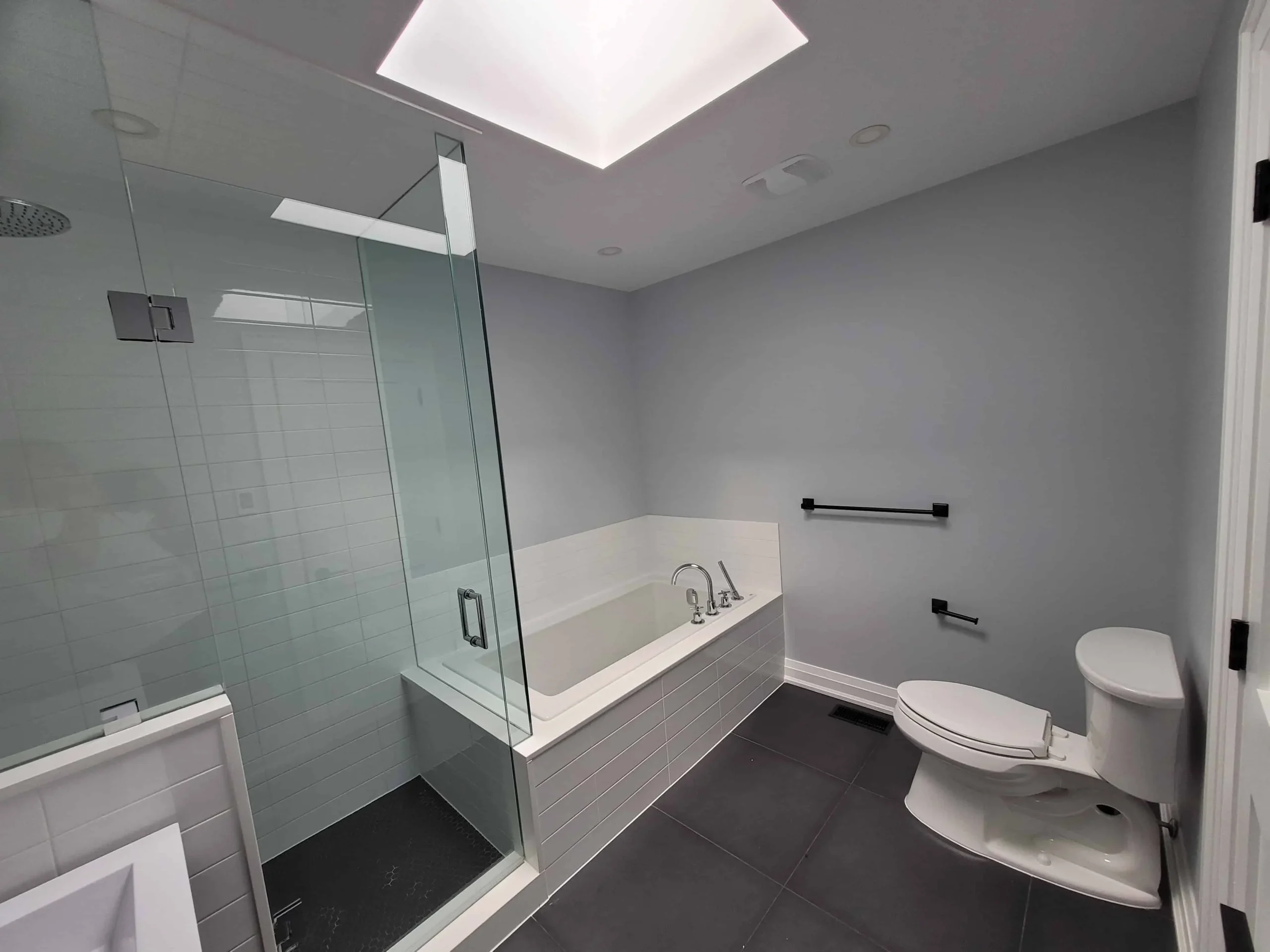
What Being a “Licensed Bathroom Renovation Contractor” Truly Means
Many bathroom remodel contractors claim to be licensed, but savvy homeowners know to ask which license they hold. In the City of Toronto, a legitimate license is more than just a piece of paper; it is a critical layer of consumer protection that separates professional outfits from “fly-by-night” handymen.
A truly qualified bathroom renovation contractor operates under the Toronto Municipal Licensing & Standards (ML&S) division. Whether you are following a Richmond Hill local renovation guide for 2026 or navigating Toronto’s Municipal Licensing & Standards, a truly qualified contractor ensures:
-
Comprehensive Liability Insurance: This protects your specific property (and your neighbor’s, in the case of Toronto semi-detached homes or condos) against accidental damage during the demolition or build phase.
-
WSIB Compliance: This ensures that if a tradesperson is injured on your property, the financial liability stays with the contractor, not you.
-
Strict Adherence to the OBC: Specialized bathroom remodeling contractors understand the nuances of “wet area” requirements, particularly regarding the Schluter-Kerdi waterproofing systems and GFCI electrical safety zones.
-
Permit Management: Licensed professionals won’t shy away from the City of Toronto permit office. Whether you are in North York, Etobicoke, or the Downtown Core, they know when a plumbing or structural permit is required to keep your home’s title clean.
Hiring an unlicensed operator might offer a lower “sticker price” upfront, but the hidden costs—failed inspections, voided home insurance, and poor drainage—invariably make them the more expensive choice in the long run. Transparent professionals provide a clear breakdown of the current bathroom renovation cost in Toronto for 2026, avoiding “surprise” fees mid-project.
Why Specialized Experience is Non-Negotiable
Bathroom renovations are not “basic” construction work. They involve constant exposure to moisture and systems that depend heavily on one another. Waterproofing, proper drainage slopes, and ventilation must be executed perfectly.
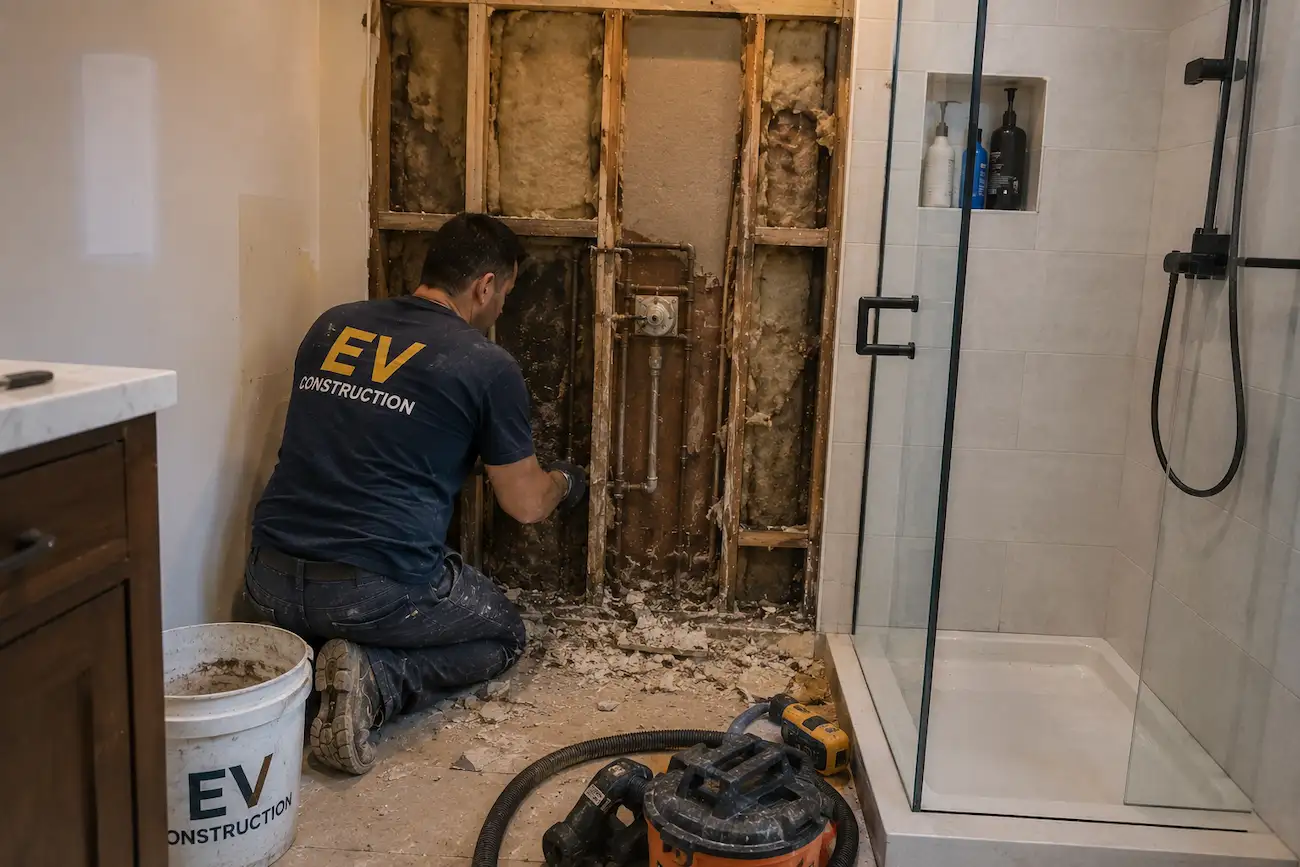
General handymen often lack the specific expertise required for these wet environments. A lot of renovation disasters begin with 10 bathroom renovation mistakes that can cost you time and money. Issues like cracked tiles, mold growth behind walls, and leaking shower pans are usually signs of inexperience, not bad luck.
When interviewing bathroom reno contractors, look for a team that specializes in bathrooms specifically, rather than someone who does “a little bit of everything.”
How to Vet Your Contractor: A Data-Driven Approach
Before you pick up the phone, you need to filter your list of potential bathroom reno contractors through a rigorous digital audit. In a high-demand market like Toronto, a contractor’s “digital footprint” is the first indicator of their operational maturity.
1. Analyze Portfolios for Technical Precision
When reviewing a gallery of past work, look beyond the “Instagrammable” aesthetic. A high-IQ homeowner looks for the “unseen” technical execution. Look for:
-
Symmetry in Tile Layouts: Are the tiles centered around the drain or faucet? Do the grout lines align perfectly at the corner of a shower niche? We recommend reviewing our comprehensive bathroom tile selection and installation guide.
-
Transition Details: Look at where the bathroom floor meets the hallway. High-quality bathroom remodel contractors ensure these transitions are flush and trip-free.
-
Lighting Integration: Does the lighting layout eliminate shadows at the vanity? Poor planning here is a classic sign of a “generalist” rather than a specialist.
2. Decoding Client Reviews for Behavioral Patterns
Don’t just look at the star rating; look at the narrative. When vetting bathroom renovation services, search for “Green Flags” like “punctual daily arrivals,” “dust containment,” and “accurate change orders.” Conversely, a major red flag is any mention of “ghosting” once the plumbing was opened up.
3. Ask the Questions That Reveal Expertise
During the consultation, test their technical knowledge with these targeted questions:
-
“What is your specific protocol for waterproofing a curbless shower to meet Toronto condo standards?”
-
“Which licensed plumber and electrician do you partner with for OBC-mandated inspections?”
-
“How do you handle ‘pre-existing condition’ discoveries, such as structural rot or outdated galvanized piping?”
- Test their knowledge of modern trends. Ask how they integrate the latest bathroom fixtures and smart technology, such as digital thermostatic valves or smart leak detection systems, which are becoming standard in high-end Toronto homes.
The Administrative Shield: Estimates, Permits, and Red Flags
The difference between a successful project and a legal headache often comes down to the paperwork. Professional bathroom remodel contractors treat the administrative side with as much care as the tile work.
The “Gold Standard” Written Estimate
Never accept a “back of the napkin” quote. A professional estimate must be a granular breakdown that includes:
-
Material Allowances: Specific dollar amounts for tiles, fixtures, and vanities.
-
Phase-Based Milestones: Clearly defined payment schedules tied to work completed (e.g., “Post-Demolition,” “Post-Waterproofing/Inspection,” “Final Completion”).
-
Disposal & Protection: Explicit mentions of bin rentals, floor protection, and HEPA-filtered dust control.
Why Permits are Non-Negotiable in Toronto
In Toronto’s competitive real estate market, “quiet” work is a liability. If you are moving a toilet, adding a second sink, or altering a structural wall, you must have a permit.
A licensed bathroom renovation contractor will manage the application for you. If a contractor suggests skipping the permit to “save time,” they are actually asking you to take on the risk of municipal fines and insurance denials.
If your property is just north of the city, ensure you hire a team that specializes in professional bathroom renovation in Richmond Hill. Local zoning and permit requirements vary by municipality; a contractor who knows the specific building department of your area will save you weeks of administrative delays.
Critical Red Flags: When to Walk Away
-
The “Cash-Only” Discount: This usually indicates a lack of WSIB coverage and no paper trail for warranty claims.
-
Missing Waterproofing Systems: If they cannot explain how they seal “wet zones” (e.g., using membranes like Schluter or Wedi), they are not specialized bathroom reno contractors.
-
Vague Timelines: Professionals work with a critical path schedule. If they “can’t say exactly when they’ll finish,” they likely have multiple jobs overlapping, leading to delays on yours.
Final Thoughts
Choosing the right licensed partner protects your investment. A well-executed bathroom renovation improves your daily comfort and significantly boosts your home’s value. By doing your research and asking the right questions, you can ensure your project is built to last.
Ready to renovate without the worry? At EV Constructions, we pride ourselves on transparency, expert craftsmanship, and full compliance with Toronto’s building standards. We handle the permits, the planning, and the hard work so you can enjoy the result. Contact us today to schedule your consultation and get a clear, detailed estimate for your dream bathroom.
Frequently Asked Questions
1. Do I need a permit for a bathroom renovation in Toronto?
Yes, permits are often required, especially when the project involves plumbing, electrical work, or structural changes. The article emphasizes that licensed contractors understand Toronto’s strict building codes and will factor permit applications into their planning. Skipping this step can lead to failed inspections, legal issues, or problems with insurance claims later on.
2. What does it mean to be a licensed contractor in Toronto?
A licensed contractor is legally registered and carries proper liability insurance and worker protection. Unlike unlicensed workers, they are required to follow local regulations and understand building code requirements. Hiring a licensed professional protects homeowners from risks like poor waterproofing, unsafe electrical work, and lack of accountability if things go wrong.
3. What questions should I ask a bathroom contractor before hiring?
To evaluate a contractor’s experience and transparency, the article recommends asking the following specific questions:
-
How many bathroom-specific renovations have you completed?
-
Do you handle the permits and inspections process?
-
What does the typical timeline look like?
-
How do you handle unexpected issues or extra costs?
-
Who will be on-site working each day?
4. Why shouldn’t I hire the cheapest bathroom contractor?
Choosing a contractor based on price alone is a common mistake that often leads to higher long-term costs. Extremely low quotes usually indicate shortcuts, lower-quality materials, or missing steps (like proper waterproofing). The article warns that these savings are often temporary, as poor workmanship can result in leaking showers, cracked tiles, and expensive repairs down the road.
5. How can I verify the quality of a bathroom contractor’s work?
Don’t rely on promises; instead, review photos of past projects and look for specific details like tile alignment, layout flow, and finishing quality. Additionally, read client reviews to spot patterns regarding communication and organization. A reputable contractor will also provide a clear written estimate detailing the scope, materials, and warranty, rather than relying on verbal agreements.
6. How much does a bathroom renovation cost in Toronto in 2026?
While every project varies, homeowners should budget based on the scope of the work. For a professional-grade remodel:
-
Powder Rooms: $7,000 – $12,000
-
Standard 3-Piece Bathrooms: $18,000 – $28,000
-
Luxury Primary Ensuites: $35,000 – $70,000+ Check our updated guide on for a deeper breakdown of labor and material percentages.
7. How long do bathroom remodel contractors typically take?
A standard full-gut renovation typically takes 3 to 5 weeks.
-
Demolition & Rough-ins: 3–5 days
-
Waterproofing & Inspection: 2–3 days
-
Tiling & Grouting: 5–8 days
-
Fixtures & Finishing: 2–3 days
Properly managing the “curing time” for waterproofing membranes and tile mortar is what separates high-end bathroom reno contractors from those who rush and cause future leaks.