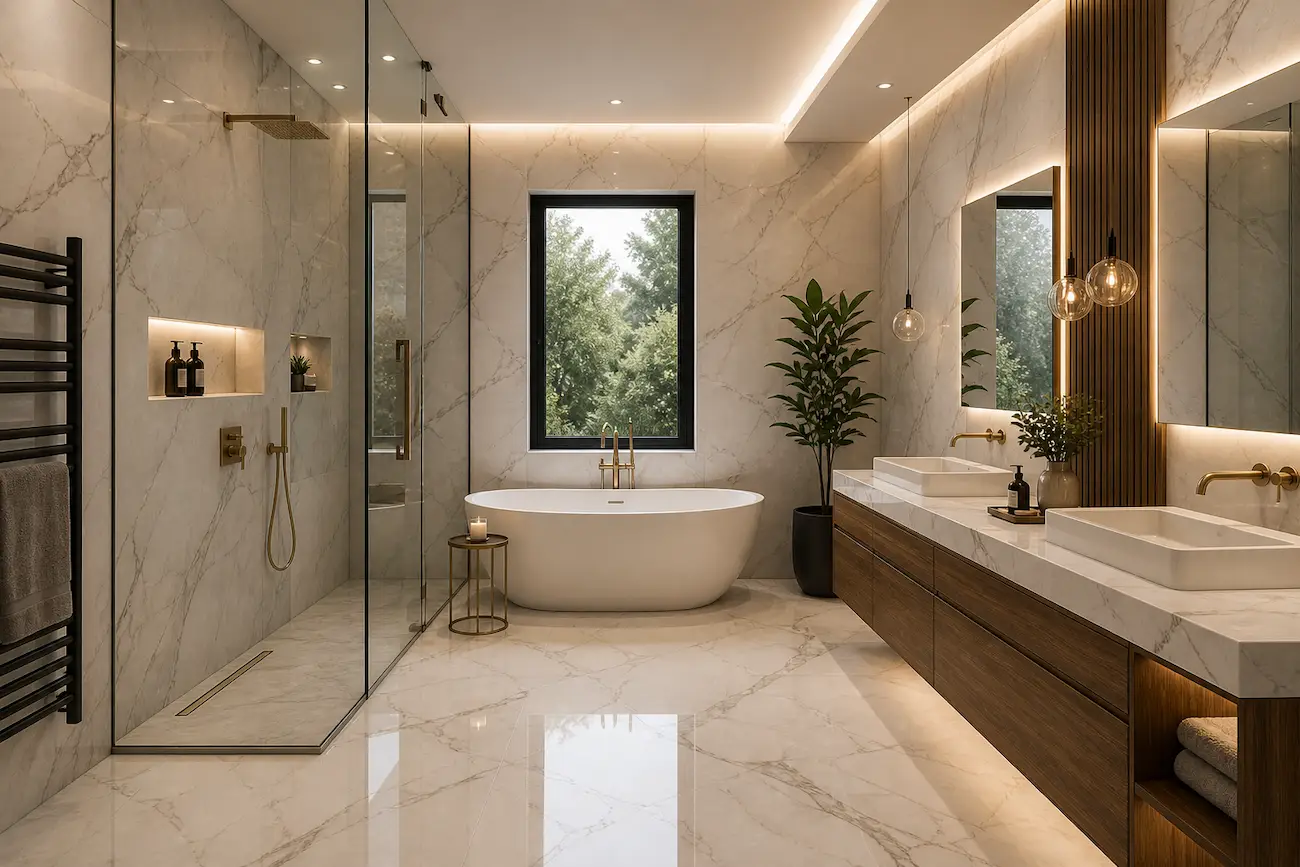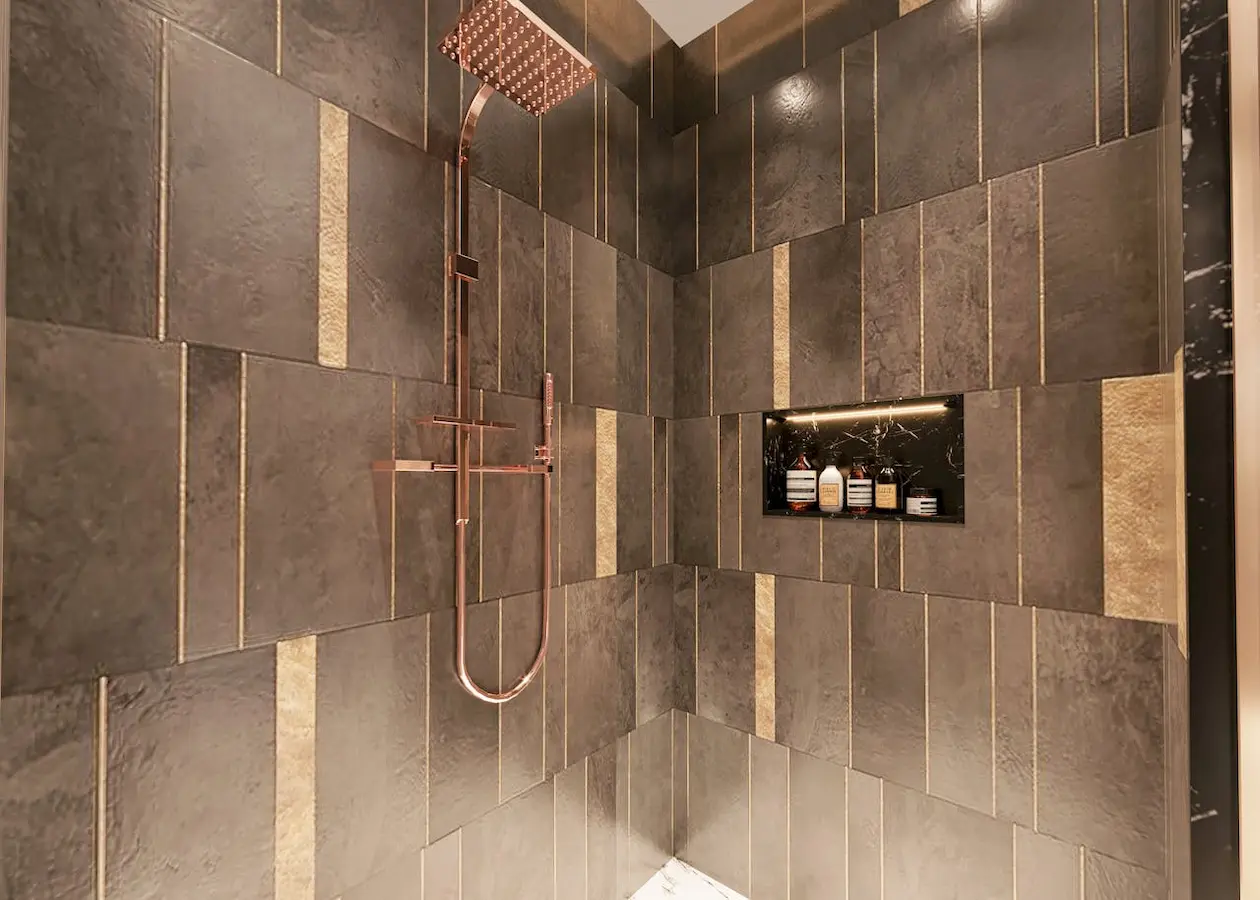
When planning a bathroom renovation, most homeowners focus on vanities, fixtures, and paint colors first. Tile often becomes a secondary decision, even though it covers the largest surfaces and directly interacts with water every single day. In reality, tile selection has more impact on the final result than almost any other material in the bathroom.
The wrong tile can lead to slippery floors, constant cleaning frustrations, or surfaces that age poorly. The right tile improves safety, enhances durability, simplifies maintenance, and sets the overall tone of the space. It influences how large the bathroom feels, how bright it looks, and how comfortable it is to use. In 2026, we are seeing a shift toward “Tile Drenching”—the practice of using a single material across floors, walls, and shower ceilings to create a seamless, spa-like environment.
This bathroom renovation tile guide is written from a practical, real-world perspective. It focuses on how different tiles actually perform in daily use, not just how they look under showroom lighting. By the end, you’ll have a clear framework for choosing tiles that balance style, function, and long-term value.
Understanding Tile Materials
Ceramic Tiles
Ceramic tiles have long been a popular choice for bathroom renovations because they are affordable and widely available. Made from clay and fired at lower temperatures than porcelain, ceramic tiles are easier to cut and install, which can help reduce labor costs. They are best suited for bathroom walls, tub surrounds, and decorative areas where foot traffic is minimal. Ceramic tiles offer a wide range of colors and finishes, making them easy to match with different design styles. The main limitation of ceramic tile is durability. It is more prone to chipping than porcelain, and once the surface glaze is damaged, moisture can penetrate the tile. For this reason, ceramic is generally not recommended for busy bathroom floors.Porcelain Tiles
Porcelain tiles are considered the most reliable all-around option for bathroom renovations. Fired at higher temperatures and made from refined clay, porcelain is denser and absorbs far less water than ceramic. This manufacturing process gives porcelain its strength and makes it far more resistant to moisture penetration over time. This makes porcelain ideal for floors, shower walls, and wet areas where moisture exposure is constant. It resists scratches, staining, and temperature changes, which is why it is commonly used in family bathrooms and other high-traffic spaces. For homeowners comparing tile options, understanding the technical porcelain vs ceramic tile differences can make it much easier to choose the right material for each area of the bathroom. While porcelain tiles usually come at a higher price point, their durability and low maintenance requirements often make them the best long-term investment. In many cases, the higher upfront cost is offset by fewer repairs, less frequent replacement, and better performance in wet environments. For homeowners thinking about sustainability, material selection plays an important role. Those planning an eco-friendly bathroom renovation in Richmond Hill often prioritize durable porcelain with long lifespans and lower maintenance needs.Natural Stone Tiles
Natural stone tiles, including marble, granite, slate, and travertine, bring a sense of depth and authenticity that manufactured tiles cannot replicate. Each piece of stone has natural variation, which gives the bathroom a unique, high-end appearance. Stone tiles require more care than ceramic or porcelain. Most types need to be sealed to protect against moisture and stains, and they should be cleaned with gentle, non-acidic products to avoid surface damage. Natural stone is best suited for homeowners who appreciate its character and are willing to commit to regular maintenance in exchange for its visual impact.Glass Tiles
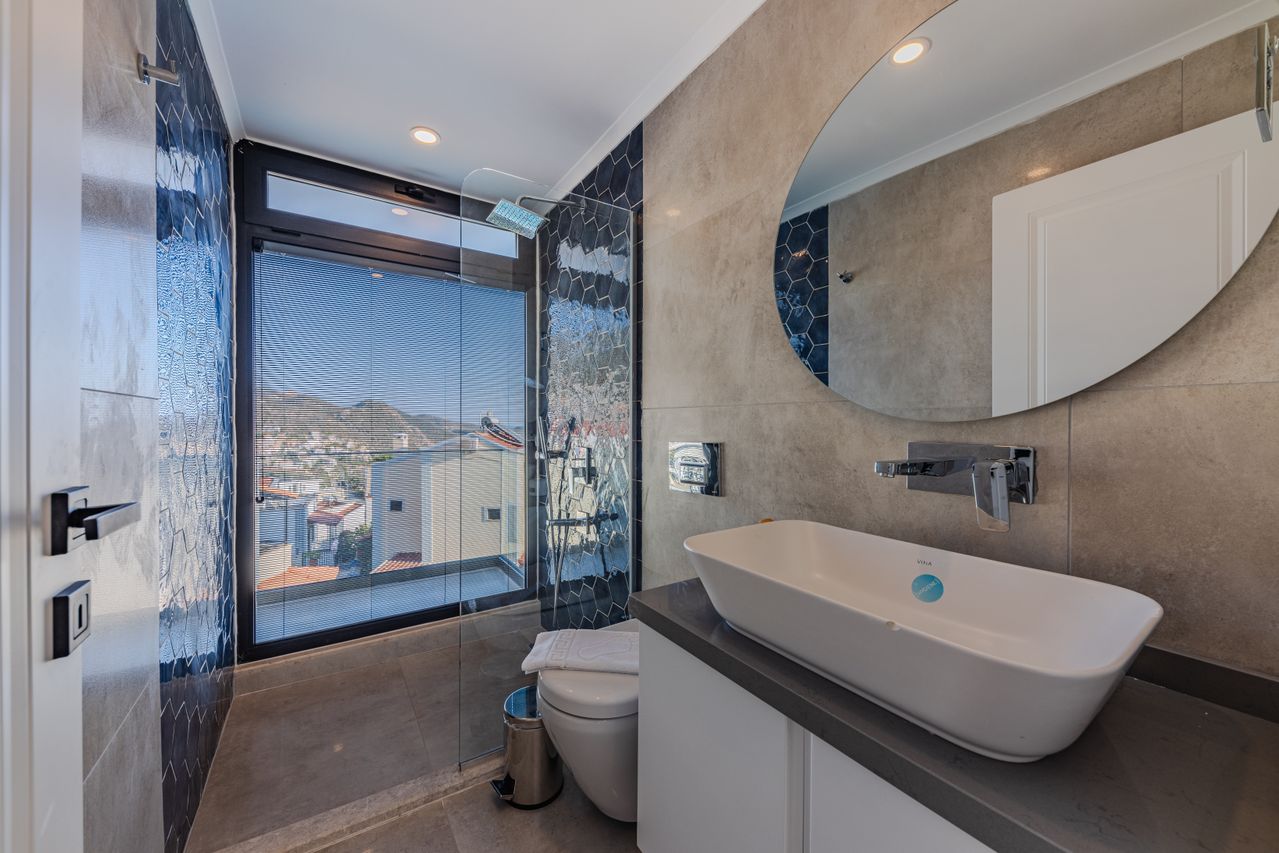
Glass tiles are typically used as accent elements rather than full wall or floor coverings. Their reflective surface helps bounce light around the room, making them especially useful in smaller bathrooms or spaces with limited natural light. They are commonly installed in shower niches, backsplashes, or feature strips. While visually striking, glass tiles are not ideal for floors due to slip risk and potential scratching.Vinyl and Luxury Vinyl Tiles (LVT)
Luxury vinyl tile has improved significantly over the past decade. Modern LVT products are waterproof, comfortable underfoot, and available in designs that closely resemble wood or stone. Vinyl tiles are often chosen for basement bathrooms, powder rooms, or renovations where traditional tile installation is not practical. Although vinyl does not offer the same lifespan as porcelain, it can be a practical and cost-effective solution in the right setting.Specialty Tiles
Specialty tiles include mosaic tiles, cement tiles, and large-format slabs.- Mosaic tiles are frequently used on shower floors for improved traction.
- Cement tiles offer bold patterns but require sealing and careful maintenance.
- Large-format slabs create a modern, seamless look but demand precise installation and perfectly prepared surfaces.
Choosing the Right Tile Size for a Bathroom Renovation
Small Tiles
Small tiles are highly versatile and work well in tight or irregular spaces. They are especially effective on shower floors, where proper slope toward the drain is essential. The additional grout lines also help improve slip resistance. The downside of small tiles is maintenance. More grout means more cleaning, so they are best used in targeted areas rather than across large surfaces.Medium Tiles
Medium-sized tiles, such as 12 by 24 inches, are the most common choice in modern bathroom renovations. They provide a balanced look that works equally well on walls and floors. These tiles reduce grout lines without creating major installation challenges, making them a practical and visually appealing option for most bathrooms.Large-Format Tiles
Large-format tiles create a clean, contemporary appearance with fewer grout lines. This helps make bathrooms feel more open and easier to maintain. Because of their size, large tiles require very flat surfaces and skilled installation. Any imperfections in the subfloor or walls become more noticeable when tile size increases.How Tile Size Affects Space
Tile size can dramatically influence how a bathroom feels. Larger tiles can make small bathrooms appear more spacious, while vertical layouts draw the eye upward and create the illusion of higher ceilings. A well-structured bathroom renovation tile guide should help homeowners balance appearance, safety, and durability rather than focusing on trends alone.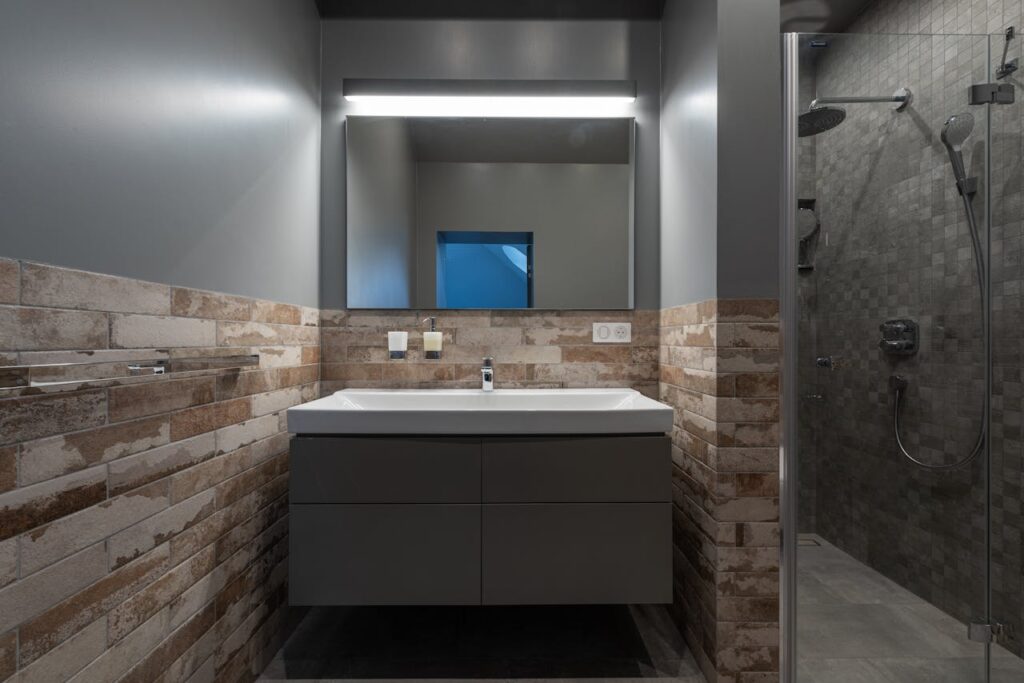
2026 Estimated Tile Costs (Approximate)
In the GTA, labor availability and material demand continue to influence budgets. Below are approximations to help you lower the risk of overspending. For a full breakdown of total project costs, including plumbing and demolition, see our guide on bathroom renovation cost in Toronto 2026.
| Tile Category | Material Cost (Per Sq. Ft. Approx.) | Total Installed Cost (Labor + Mat. Approx.) |
| Ceramic | $2.50 – $6.00 | $12.00 – $25.00 |
| Porcelain | $4.00 – $15.00 | $18.00 – $40.00 |
| Natural Stone | $15.00 – $45.00 | $35.00 – $80.00 |
| Mosaic / Glass | $20.00 – $60.00 | $40.00 – $100.00 |
Tile Patterns and Layouts
Classic Tile Layouts
Straight lay patterns offer a timeless, clean look that works in almost any bathroom. Diagonal layouts introduce movement and can help visually widen narrow spaces. Subway and brick patterns remain popular for wall applications because of their flexibility.
Modern Tile Patterns
Patterns such as herringbone, chevron, and vertical stack add visual interest and a contemporary feel. These layouts require precise planning and installation but can elevate even simple tile choices.
Mosaic and Accent Designs
Accent tiles are most effective when used intentionally. Shower niches, feature walls, or subtle borders allow homeowners to add personality without overwhelming the space. Patterns influence style; simple layouts feel traditional and timeless, while complex patterns feel decorative and bold.
How Tile Patterns Influence Bathroom Style
Simple layouts tend to feel more traditional and timeless, while more complex patterns feel decorative and bold. Choosing a pattern that complements the overall style of the home helps ensure the bathroom feels cohesive.
Color, Texture, and Finish Selection
Choosing the Right Tile Color
Light-colored tiles reflect light and help bathrooms feel larger and cleaner. Dark tiles add depth and contrast but require adequate lighting to prevent the space from feeling heavy or closed in.
Tile Texture and Safety
Matte tiles offer better traction and hide water spots effectively. Glossy tiles reflect light for a polished look but can be slippery when wet. For 2026, the industry standard for floor safety is the Dynamic Coefficient of Friction (DCOF).For level interior spaces expected to be walked upon when wet, a DCOF rating of 0.42 or greater is essential.
Matching Tiles with Fixtures and Lighting
Tile choices should always be considered alongside vanities and lighting. Lighting temperature (measured in Kelvin) can change how colors appear; cool light (5000K) can make white tiles look sterile, while warm light (2700K) can make them look yellow.
Grout Choices and Their Impact
Grout Color and Types
Matching grout creates a seamless appearance, while contrasting grout highlights the tile shape.
- Sanded grout is for floors and wider joints.
- Unsanded grout is for walls with narrow joints.
- Epoxy grout is the superior choice for 2026. It is non-porous, waterproof, and resistant to the hard water staining common in Richmond Hill. Using epoxy is a proactive way to avoid bathroom renovation mistakes that lead to future mildew and rot.
Practical Considerations Before Buying Tile
Budget Planning
Tile costs extend beyond the price per square foot. Installation labor, waterproofing systems, surface preparation, and waste should all be factored into the overall budget.
Slip Resistance and Bathroom Safety
Slip resistance is critical in wet areas such as shower floors and bathroom entrances.
Always choose tiles that are rated for moisture exposure and foot traffic, and take the time to understand slip resistance ratings for bathroom tiles before making a final decision.
Durability and Long-Term Maintenance
Some tiles require more care than others. Selecting materials that align with your lifestyle and maintenance expectations helps avoid frustration later.
Waterproofing and Installation Requirements
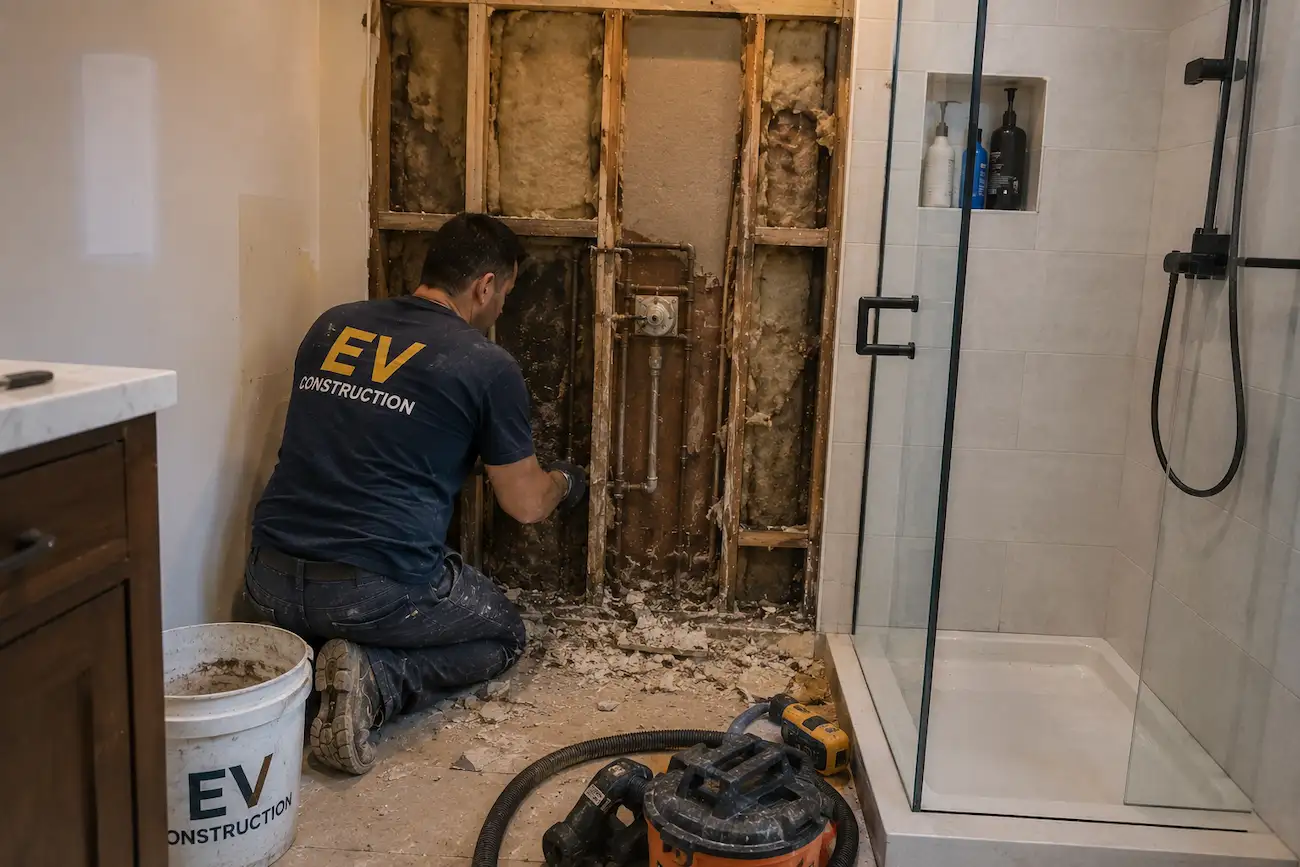
Tile itself is not waterproof. Proper underlayment and waterproofing systems behind the tile are essential for preventing moisture damage and ensuring long-term performance.
Design Inspiration and Style Ideas
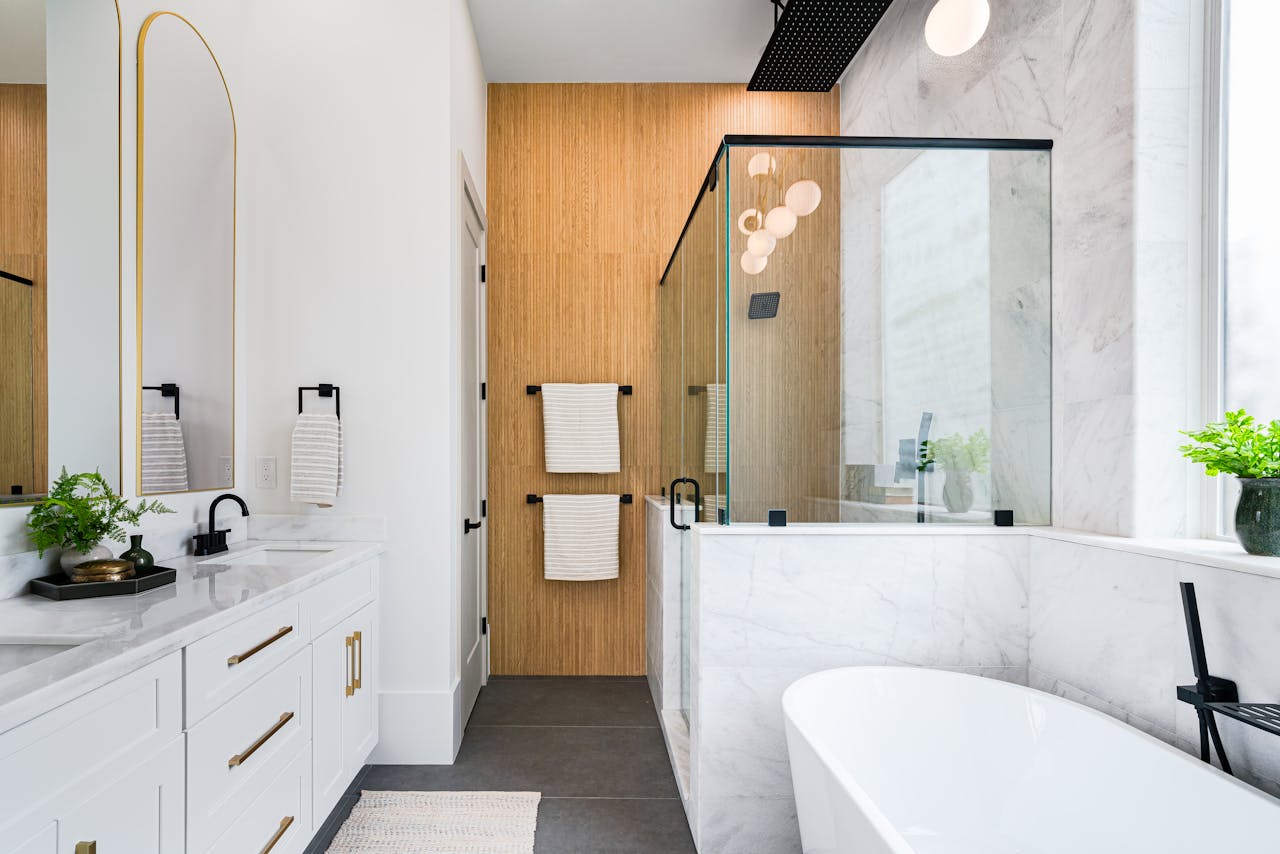
- Modern Minimalist: Large tiles, neutral colors, and minimal grout lines.
- Spa-Inspired: Natural stone-look porcelain with warm lighting and textures.
- Vintage Classic: Subway tiles, patterned floors, and traditional layouts.
- Bold Concepts: Strategic use of color and pattern to make a statement.
Common Tile Mistakes to Avoid
Common mistakes include using wall tiles on floors, choosing glossy tiles for wet areas, overlooking grout color, and underestimating long-term maintenance requirements.
Tile Selection Checklist
- Tile material (Ceramic vs Porcelain)
- Tile size (Small vs Large Format)
- Layout pattern (Straight, Herringbone, etc.)
- Color and finish (Matte vs Glossy)
- Grout type (Epoxy vs Cement)
- Budget (Approximate cost including labor)
- Installation plan (Waterproofing and DCOF checks)
Conclusion: From Vision to Precision
Tile selection is far more than a decorative choice; it is a technical decision that dictates the lifespan, safety, and hygiene of your home’s most humid environment. As we’ve explored in this guide, a successful 2026 renovation requires a delicate balance: choosing materials like porcelain for its density, implementing DCOF-rated surfaces for family safety, and utilizing epoxy grout to combat the specific hard water challenges found in Richmond Hill.
However, even the most expensive tiles can fail if the “invisible” layers—the waterproofing membranes and subfloor leveling—are neglected. A bathroom is a complex system of plumbing, electrical, and structural engineering. When these elements are harmonized with expert design and precision installation, your bathroom stops being just a utility room and becomes a high-value asset that enhances both your daily routine and your home’s market value.
Let’s Build a Connection
A renovation is a significant journey, and every great project starts with a simple, honest conversation. Whether you’re just beginning to gather ideas for a small bathroom renovation in Richmond Hill or you’re ready to finalize the technical details of a luxury spa, we are here to help you navigate the process without the stress.
At EV Construction, we don’t believe in high-pressure sales—we believe in partnership and transparency. We’d love to hear about your vision, answer your technical questions, and show you how we can bring your tile concepts to life with precision and care.
Have a question or a project in mind? Connect with the EV Construction Team Today Let’s discuss your ideas and see how we can help you create the perfect space. No obligations, just expert advice.
Frequently Asked Questions About Bathroom Tile Selection
Porcelain tile is generally the best choice for bathroom floors because it is dense, water-resistant, and durable. It performs well in wet environments and holds up to daily foot traffic better than most ceramic tiles.
Yes, large-format tiles can work very well in small bathrooms. Fewer grout lines create a more continuous surface, which often makes the space feel larger and less cluttered when paired with proper lighting.
Matte or textured tile finishes are safer for wet areas because they provide better traction than glossy surfaces. Shower floors should always use tiles rated for slip resistance.
Natural stone can be used in bathrooms, but it requires regular sealing and careful maintenance. It is best suited for homeowners who are comfortable with ongoing upkeep and want a natural, high-end appearance.
Grout plays a major role in both appearance and maintenance. Epoxy grout is often recommended for showers because it resists moisture and staining better than traditional cement-based grout.
Focus on durable materials, proper installation, and realistic maintenance expectations. Using a well-planned bathroom renovation tile guide helps homeowners avoid short-term trends and choose tiles that perform well over time.