
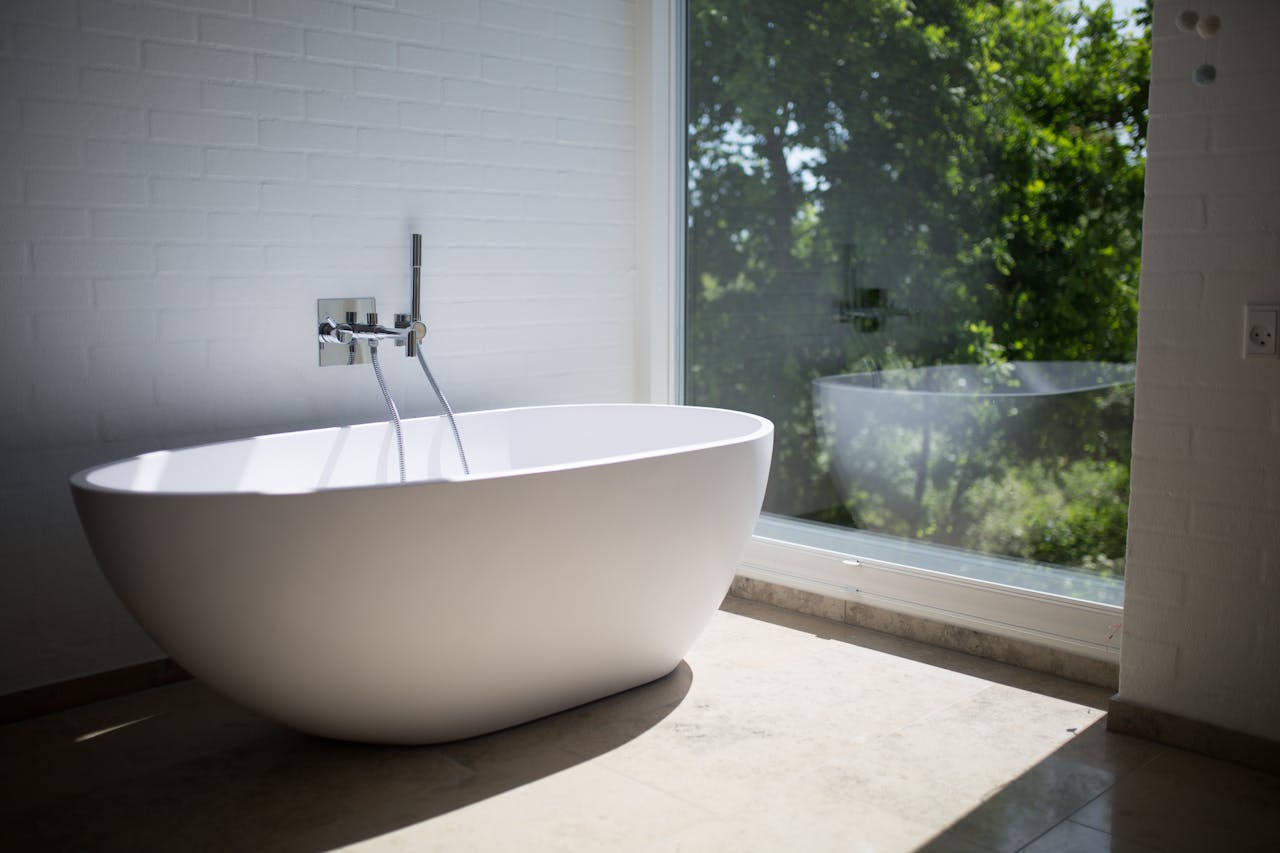
Choosing between a walk-in shower vs bathtub is one of the biggest decisions homeowners face during a bathroom renovation in Richmond Hill. Most homeowners in Richmond Hill don’t realize this until they’re already deep into a renovation:
Choosing between a walk-in shower and a bathtub is not just a design decision. In many cases, it can affect your daily comfort, your home’s resale value, and even how functional your bathroom feels years from now.
After completing bathroom renovations across Richmond Hill neighborhoods like Bayview Hill, Oak Ridges, Jefferson, Rouge Woods, and Mill Pond, we’ve seen how differently this decision plays out from one home to another.
Some homeowners prioritize accessibility and modern design. Others are thinking about resale, young children, or making the most of a smaller bathroom layout.
The truth is simple: There is no universal “best” option.
The right choice depends on your lifestyle, your property type, your future plans, and how the bathroom will actually be used every day.
If you're still planning the bigger picture of your renovation, this overview of bathroom renovation in Richmond Hill can help you better understand your options.
What a Walk-In Shower Really Means (Beyond Aesthetics)

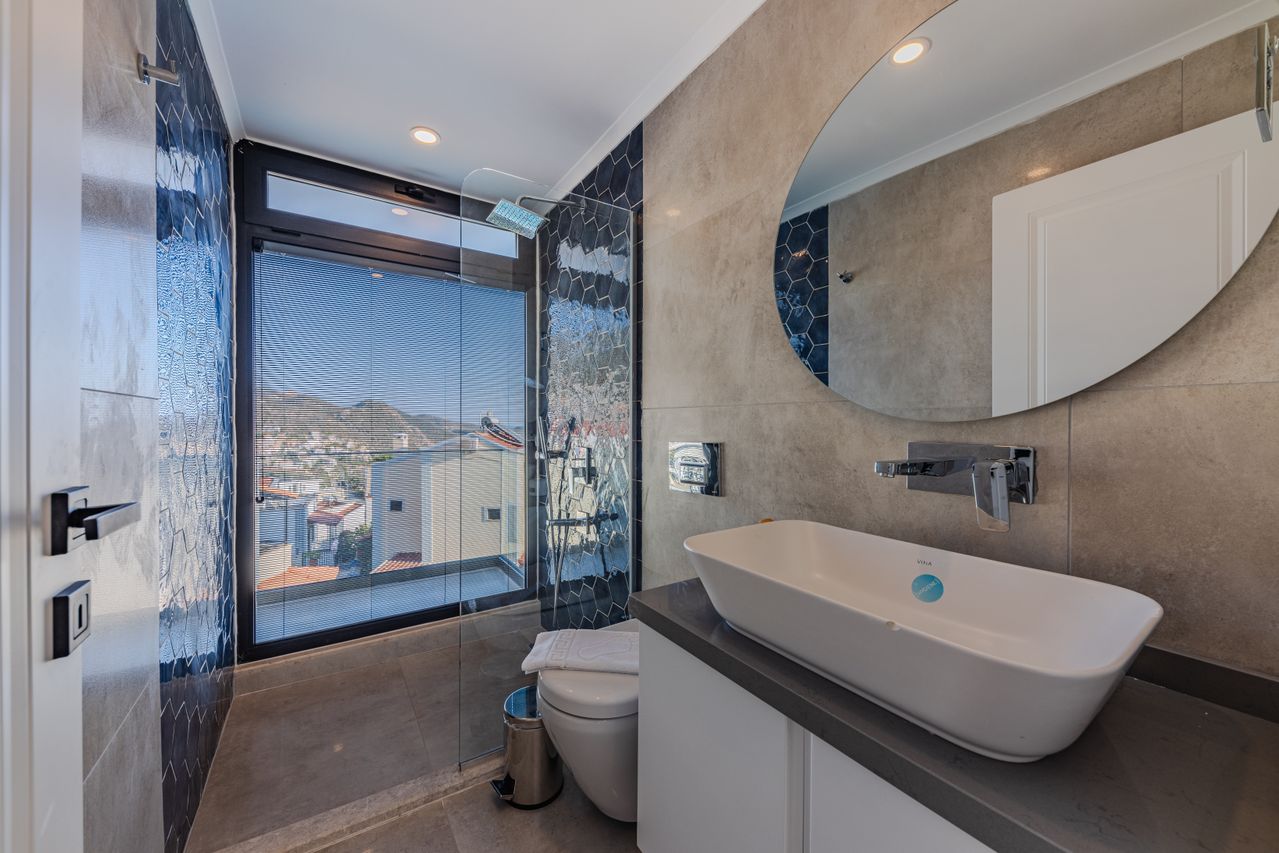
Walk-in showers are often viewed as a luxury upgrade — but behind the clean tile lines and frameless glass, there’s far more technical work involved than many homeowners expect.
In one recent project near Oak Ridges, we replaced an older built-in tub with a curbless walk-in shower for a homeowner planning to age in place comfortably. The final result looked sleek and modern, but most of the important work happened underneath the surface: proper drainage slope, waterproofing layers, subfloor preparation, and ventilation improvements.
A professionally built walk-in shower typically includes:
- Seamless or low-threshold entry
- Frameless glass enclosure
- Custom tile installation or large wall panels
- Waterproofing membranes
- Proper drainage and grading systems
- Built-in niches and storage solutions
From a day-to-day perspective, homeowners usually appreciate walk-in showers because they offer:
- Easier accessibility
- Less visual clutter
- Simpler cleaning and maintenance
- A more open feeling in smaller bathrooms
- A more modern overall appearance
In many Richmond Hill homes, especially older layouts with limited square footage, replacing a bulky tub with a properly designed shower can dramatically improve how spacious the bathroom feels.
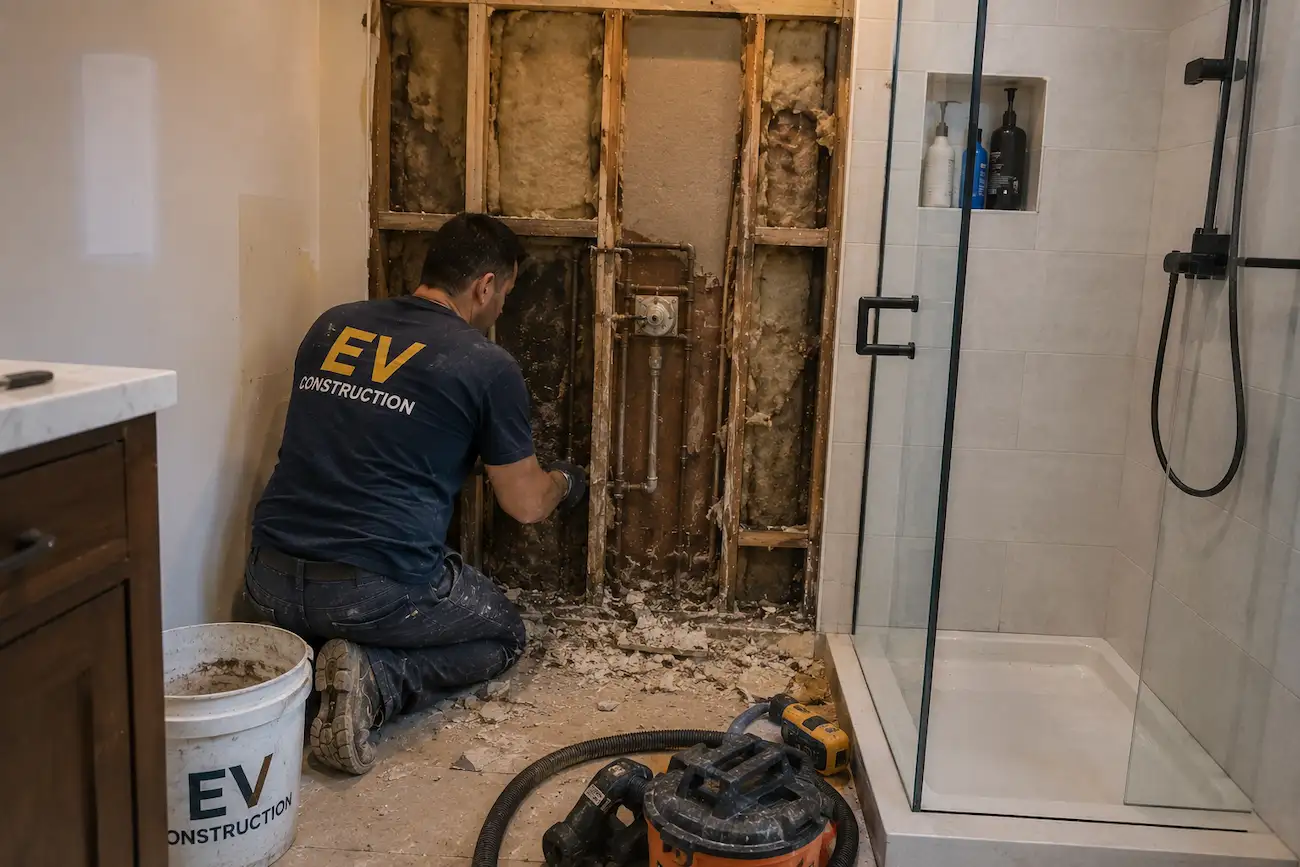
At the same time, one thing many people underestimate is how critical waterproofing really is. Poor installation behind the walls can lead to some of the most expensive bathroom repair issues we see later on.
👉 You can learn more about the importance of a professional shower waterproofing system here.
Common Mistakes Homeowners Make When Choosing Between a Shower and Tub
One thing we’ve noticed during bathroom renovations in Richmond Hill is that many homeowners make this decision too early — before thinking about how the bathroom will actually function long term.
Some focus only on appearance. Others only think about resale value.
The best renovations usually balance both.
A few common mistakes we regularly see include:
- Removing the home’s only bathtub too quickly
- Choosing oversized showers for already tight layouts
- Underestimating waterproofing requirements
- Prioritizing trends over practical daily use
- Ignoring future accessibility needs
- Sacrificing storage space for aesthetics
- Choosing materials that become difficult to maintain over time
In several older Richmond Hill homes, we’ve also seen situations where homeowners installed beautiful modern showers but neglected proper ventilation upgrades. A few years later, moisture problems started appearing around grout lines, ceilings, and nearby drywall.
That’s why thoughtful planning matters just as much as the final design itself.
Are Bathtubs Still Worth It in Richmond Hill?

In many cases, absolutely.
While walk-in showers have become increasingly popular in modern renovations, bathtubs still matter — especially in family-oriented Richmond Hill neighborhoods like Doncrest, Rouge Woods, Langstaff, and North Richvale.
Over the years, we’ve worked with homeowners who originally wanted to remove every bathtub in the house for a cleaner modern look. But once we discussed long-term resale and buyer expectations, many reconsidered.
In one townhouse renovation near Bayview Avenue, the homeowner planned to eliminate the home’s only bathtub. We recommended keeping one tub in the secondary bathroom instead. About a year later, when the property went on the market, their realtor specifically mentioned that families appreciated having that option available.
Bathtubs still make practical sense when:
- You have young children
- You plan to sell within the next few years
- Your home only has one full bathroom
- You want broader resale appeal
- You enjoy soaking baths for relaxation
- You are renovating a family home rather than a condo
In Richmond Hill’s housing market, having at least one bathtub is still considered important in many homes.
Walk-In Shower vs Bathtub — Full Comparison
| Feature | Walk-In Shower | Bathtub |
|---|---|---|
| Cost (Richmond Hill 2026) | Medium to High | Low to Medium |
| Space Efficiency | Excellent for small bathrooms | Requires more room |
| Accessibility | Very high | Limited |
| Maintenance | Easier overall | Harder to clean |
| Water Usage | Lower overall | Higher |
| Resale Impact | Strong for ensuites | Strong for family homes |
| Best Location | Primary ensuite, condos | Secondary bathrooms |
| Design Flexibility | High | Moderate |
While comparison charts are useful, real-life usage often matters more than specifications on paper.
For example, many homeowners initially choose walk-in showers because they prefer the modern appearance. But after discussing how the bathroom will be used five or ten years from now, their priorities sometimes shift.
On the other hand, homeowners renovating their forever home often prioritize comfort, accessibility, and ease of use over resale concerns alone.
This is why the “better” option usually depends less on trends — and more on how the bathroom fits your everyday lifestyle.
👉 Quick tip from experience: If your home already has one bathtub, converting your ensuite into a walk-in shower is often a very smart upgrade.
What Works Best for Richmond Hill Homes?
This is where local renovation experience really matters.
Different property types in Richmond Hill often come with different expectations from both homeowners and future buyers.
Detached Homes in Established Richmond Hill Neighborhoods
In older areas like North Richvale, Harding, and Mill Pond, many buyers still expect homes to include at least one functional bathtub.
Completely removing every tub may not seem important during renovation, but it can become a concern later during resale — especially for families moving from Toronto with younger children.
In several projects we’ve completed in these neighborhoods, homeowners chose to keep a bathtub in the secondary bathroom while upgrading the primary ensuite with a larger walk-in shower. In many cases, that balance worked extremely well both functionally and aesthetically.
Newer Homes in Oak Ridges and Jefferson
Newer homes tend to offer more flexibility in layout and bathroom size, which makes walk-in showers especially popular in ensuites.
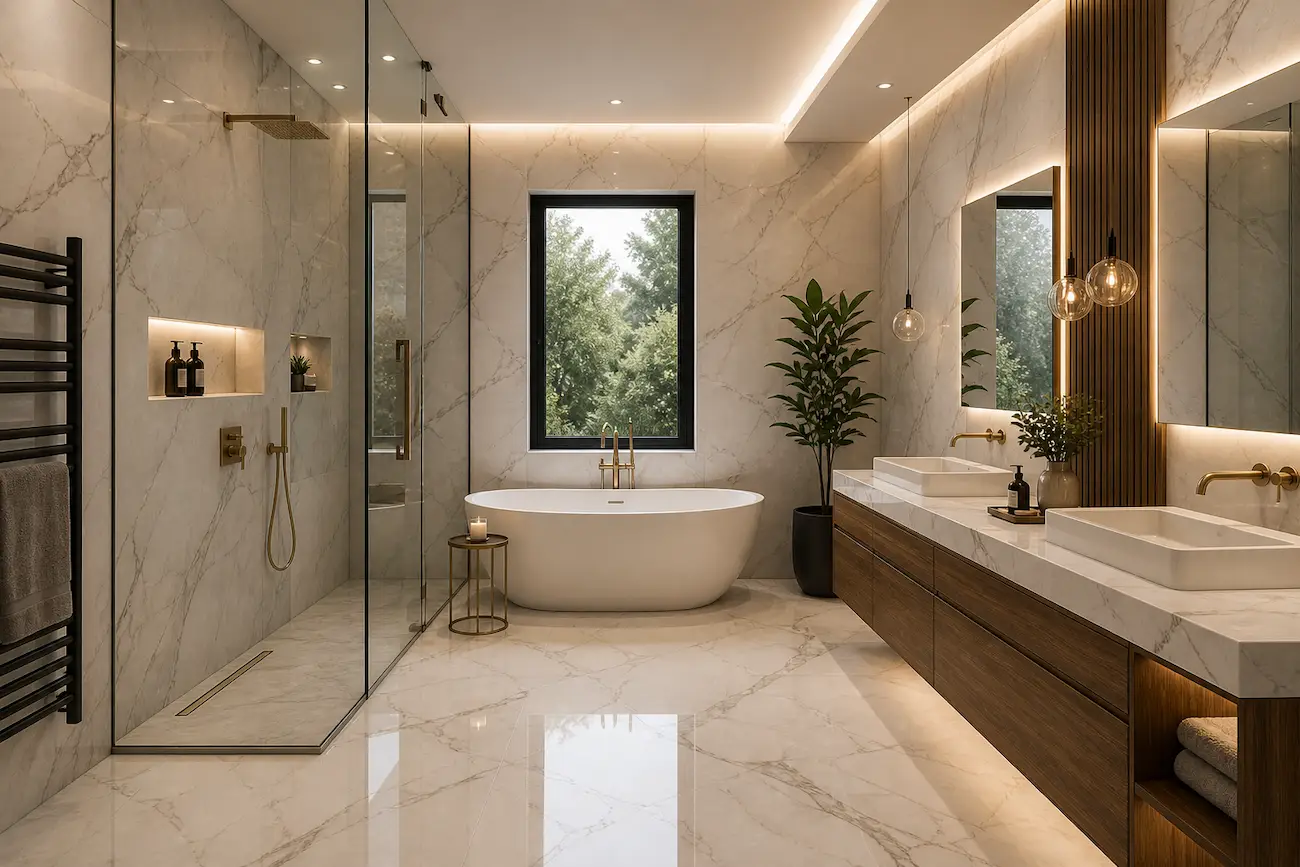
Large-format tile, frameless glass, floating vanities, and curbless entry systems have become increasingly common in modern Richmond Hill renovations because they create a cleaner and more open appearance.
That said, even in newer homes, keeping one bathtub somewhere in the property is still usually the safer long-term decision for resale flexibility.
Condos Around Yonge Street and Highway 7
Condo bathrooms usually come down to space efficiency.
In smaller condo layouts, replacing a bulky tub with a properly designed walk-in shower can dramatically improve how open and functional the bathroom feels.
Many condo owners also prioritize lower maintenance and easier cleaning, which is another reason walk-in showers tend to perform well in these spaces.
From what we’ve consistently seen across dozens of successful bathroom renovation projects in Richmond Hill, context matters far more than simply choosing one fixture over the other.
Cost Reality: What Homeowners Often Miscalculate
One of the biggest misconceptions we hear is: “Bathtubs are always cheaper.”
That’s not necessarily true anymore.
The actual cost difference often depends more on:
- Plumbing modifications
- Tile selection
- Waterproofing requirements
- Glass installation
- Structural adjustments
- Fixture quality
- Ventilation upgrades
- Custom carpentry or niche work
In several Richmond Hill renovations we’ve completed recently, upgraded bathtub installations ended up costing nearly the same as custom walk-in showers.
The final budget usually depends less on the fixture itself — and more on the level of customization involved.
If you're budgeting your renovation project right now, this bathroom renovation cost guide for Toronto and the GTA gives a clearer breakdown of realistic renovation pricing.
Which Option Adds More Value in 2026?
From what we’re currently seeing across Richmond Hill renovations, both options can add value — but in different ways.
Walk-in showers tend to create stronger visual impact and modern appeal, especially in updated ensuites and contemporary homes.
Bathtubs, however, still provide practical value for families and broader resale flexibility.
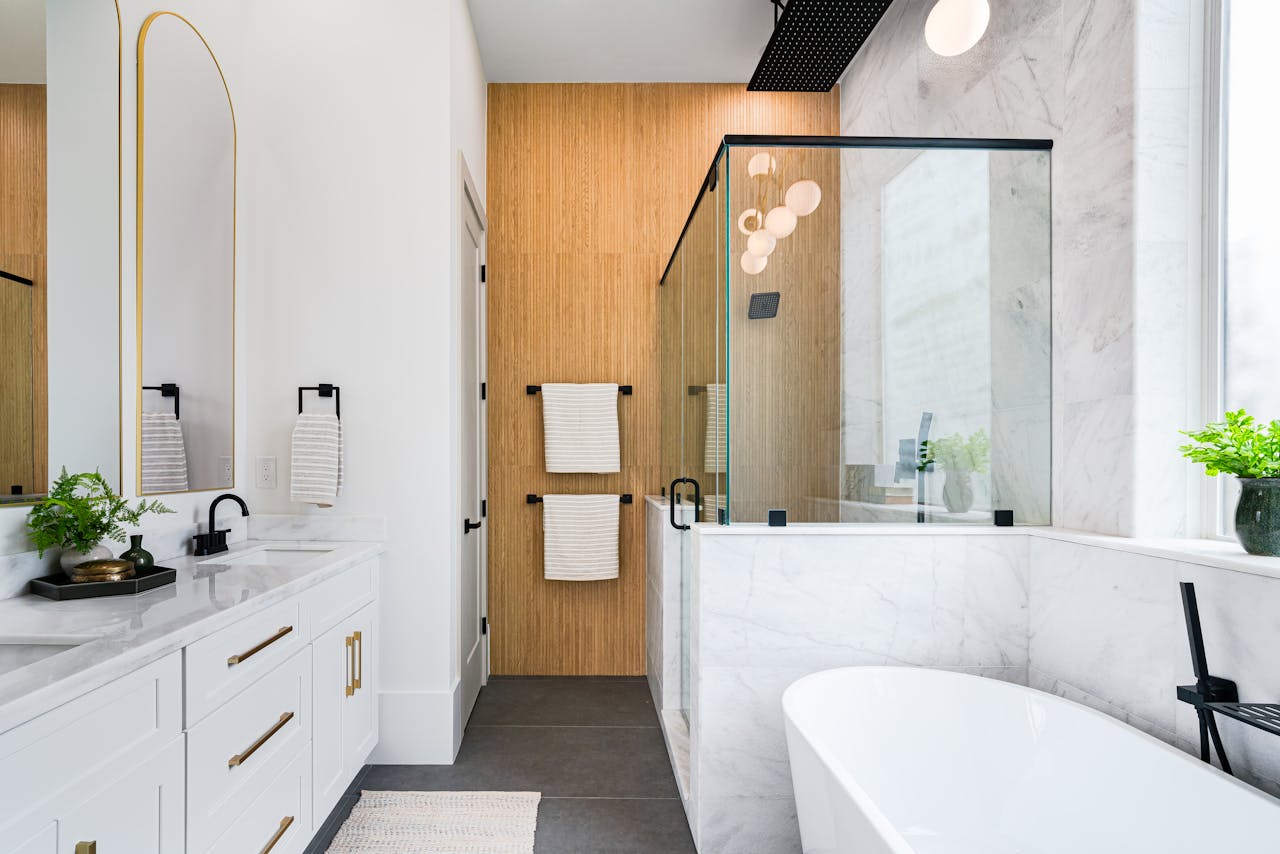
In many successful renovations, the highest-value approach is actually a combination of both: a walk-in shower in the primary bathroom and a bathtub in a secondary bathroom.
That setup often appeals to the widest range of future buyers while still improving day-to-day comfort for current homeowners.
The Smart Middle Ground (Best of Both Worlds)
In many Richmond Hill homes, the smartest solution isn’t choosing one over the other — it’s designing the space to include both in a practical and visually balanced way.
A modern tub-shower combination with:
- Frameless glass
- Built-in niches
- Minimal grout lines
- Large-format tile
- Better lighting design
can offer flexibility without making the bathroom feel outdated.
We’ve used this approach in several townhouse and compact ensuite renovations where homeowners wanted a cleaner modern look while still preserving long-term resale flexibility.
In many cases, that balance ends up being the most future-proof option.
Final Advice From a Richmond Hill Contractor
After years of renovating bathrooms across Richmond Hill, one thing becomes very clear:
The best choice has less to do with trends — and more to do with how the space actually fits your life.
If you plan to stay in your home long term, prioritize comfort and usability. If resale is a major factor, think carefully about buyer expectations in your neighborhood. And if your layout allows it, keeping both a bathtub and a walk-in shower can often provide the most flexibility.
Most importantly, this decision should not be made separately from the overall renovation plan. Layout, waterproofing, ventilation, lighting, storage, and material selection all work together.
That’s usually where thoughtful planning makes the biggest difference.
Frequently Asked Questions
Do I need a bathtub for resale in Richmond Hill?
In many cases, yes. Having at least one bathtub in the home is still recommended, especially in family-oriented Richmond Hill neighborhoods.
Are walk-in showers more expensive than bathtubs?
Not always. While walk-in showers can involve higher upfront costs, the final price depends heavily on materials, layout changes, waterproofing, and customization.
Is a walk-in shower better for small bathrooms?
Yes. In many Richmond Hill homes, replacing a bulky tub with a walk-in shower can make the space feel significantly larger and more open.
Can I have both a bathtub and a walk-in shower?
Absolutely. If space allows, combining both is often one of the best long-term solutions for comfort and resale flexibility.
Does removing a bathtub lower home value?
It can in certain situations. Removing the only bathtub in a family home may reduce appeal for buyers with young children.
Are curbless walk-in showers worth it?
For many homeowners, yes. Curbless showers improve accessibility, create a modern appearance, and can make bathrooms feel more spacious when designed properly.
Which option is easier to maintain long term?
In most cases, walk-in showers are easier to clean and maintain, especially when using large-format tile and frameless glass systems with fewer grout lines.
What is more popular in modern Richmond Hill renovations?
Over the past few years, walk-in showers have become increasingly popular in ensuites and condo bathrooms, while bathtubs still remain common in secondary family bathrooms.
Is Replacing Your Bathtub With a Walk-In Shower Actually the Right Move?
At EV CONSTRUCTION, we’ve worked on bathroom renovations across Richmond Hill where this single decision completely changed how the space functioned day-to-day — and in some cases, even affected resale flexibility later on.
Some homeowners prioritize modern aesthetics and accessibility. Others are focused on family practicality, future resale value, or maximizing space in smaller bathrooms.
That’s why we always recommend looking beyond trends and designing the bathroom around how you actually live and use the space every day.
Whether you're planning a complete remodel, updating an ensuite, or deciding between a walk-in shower and a bathtub, thoughtful planning early in the renovation process can help avoid costly changes later on.
👉 Explore our bathroom renovation services in Richmond Hill to learn more about how we help homeowners create bathrooms that balance comfort, functionality, and long-term value.
One Response
I like that you highlighted there’s no universal ‘best’ option. Thinking about how the bathroom will actually be used day-to-day really helps clarify which choice—shower or bathtub—makes the most sense for each home.