If you are planning a bathroom renovation in Richmond Hill in 2026, one of the first questions you should ask is: Do I need a permit? Understanding permit requirements before starting demolition can prevent costly delays, inspection issues, and resale complications.
The Short Answer: In Richmond Hill, you do NOT need a permit to replace bathroom fixtures (sink, toilet, tub) in their exact current locations. You DO need a building or plumbing permit if you are moving drains, altering load-bearing or fire-separation walls, or adding a new bathroom to a basement.
In Richmond Hill, bathroom renovations that involve plumbing relocation, structural changes, ventilation upgrades, or electrical modifications are strictly regulated under the Ontario Building Code (OBC). Even what appears to be a minor layout adjustment can trigger the need for municipal approval. Homeowners often assume interior renovations do not require oversight, but the City of Richmond Hill clearly defines the line between a cosmetic upgrade and regulated construction work.
Before proceeding, it is critical to determine whether your renovation falls into the “like-for-like” category or requires a formal permit review through the city’s e-Plan portal. Knowing this difference protects your timeline, your investment, and your property value in today’s competitive Richmond Hill real estate market.
Understanding Richmond Hill Bathroom Permit Requirements for 2026
Richmond Hill occupies a unique space in the Greater Toronto Area. Between the protected lands of the Oak Ridges Moraine and the high-density developments along the Yonge Street corridor, the city manages a diverse housing stock. Upgrading a 1980s primary ensuite in Crosby requires different structural considerations than finishing a raw basement bathroom in a newer Jefferson build. However, the rules enforced by the Building Division at 225 East Beaver Creek Road remain consistent.
1. The 2026 Infrastructure Standards
Renovating “smart” in 2026 means recognizing that a bathroom isn’t just a room; it is a complex intersection of three major home systems: structural, mechanical, and electrical. In Richmond Hill, the city’s inspectors are particularly focused on water protection and backflow prevention—critical issues in a municipality that values infrastructure longevity.
2. Environmental and Zoning Considerations
If your property sits on a protected area or has specific zoning bylaws (like those in the Mill Pond area), even minor exterior changes can require additional approvals. Navigating these layers requires a team that understands the local municipal building standards and how to submit them correctly.
When Is a Permit 100% Mandatory in Richmond Hill?
Many homeowners believe that if the work is happening inside their house, it’s nobody’s business but theirs. However, the moment you cross the line from “cosmetic” to “systemic,” the City of Richmond Hill requires a paper trail. To submit these applications, you will typically need drawings prepared by a registered BCIN (Building Code Identification Number) designer or a licensed architect to ensure compliance with Part 9 of the Ontario Building Code (Housing).
1. The Anatomy of Structural Changes
It’s a common misconception that only “load-bearing” walls require permits. In Richmond Hill, the removal or relocation of any wall often triggers a mandatory review.
A. Fire Separation and Safety: A wall is rarely just a wall; it is often a critical component of fire separation between rooms. Submitted drawings confirm your new layout won’t interfere with the home’s natural fire-resistance rating.
B. Mechanical Routing: Walls serve as chases for HVAC ductwork or support for electrical runs. Moving these requires professional oversight to ensure the home’s internal “circulatory system” isn’t compromised.
2. The “Wet Zone” Migration: Moving Plumbing
Moving a toilet even a few inches changes slope, venting configuration, and drainage compliance under Part 7 of the Ontario Building Code (Plumbing). Any drain relocation requires a specific plumbing permit in Richmond Hill. If you’re upgrading to modern shower systems or advanced plumbing layouts, understanding how new fixture technologies integrate with today’s code is vital.
3. Adding a New Bathroom (The Basement Challenge)
Adding a bathroom where one didn’t exist—especially in a basement—requires a full permit package submitted through the Richmond Hill e-Plan portal, including building, plumbing, and ESA approvals.
The “Like-for-Like” Strategy: Renovating Without the Red Tape
If you replace plumbing fixtures in the exact same location, you generally do not need a building permit. This means you can upgrade your vanity, toilet, shower fixtures, tile, and finishes without filing documentation—as long as the plumbing rough-ins stay in place.
1. Cost and Time Savings
Homeowners typically save $500–$1,000 in permit fees and 2–4 weeks in scheduling delays using this approach. It is the most efficient way to achieve a “luxury look” without administrative overhead.
The Electrical Factor: ESA vs. The Municipality
Electrical work in Ontario is regulated by the Electrical Safety Authority (ESA), not the municipality.
1. Mandatory ESA Notifications
Heated floors, new pot lights, relocated outlets, and new circuits require ESA notification—even if no building permit is required from the City of Richmond Hill.
Richmond Hill Quick Classification Guide
| Project Type | Permit Needed? | Regulatory Body | Strategy |
|---|---|---|---|
| Full Layout Change | Yes | City of Richmond Hill | Prepare As-Built drawings early |
| New Basement Bathroom | Yes | City + ESA | Drainage review required |
| Fixture Upgrades (Same Location) | No | N/A | Keep layout intact |
Why Skipping Permits Is Risky in 2026
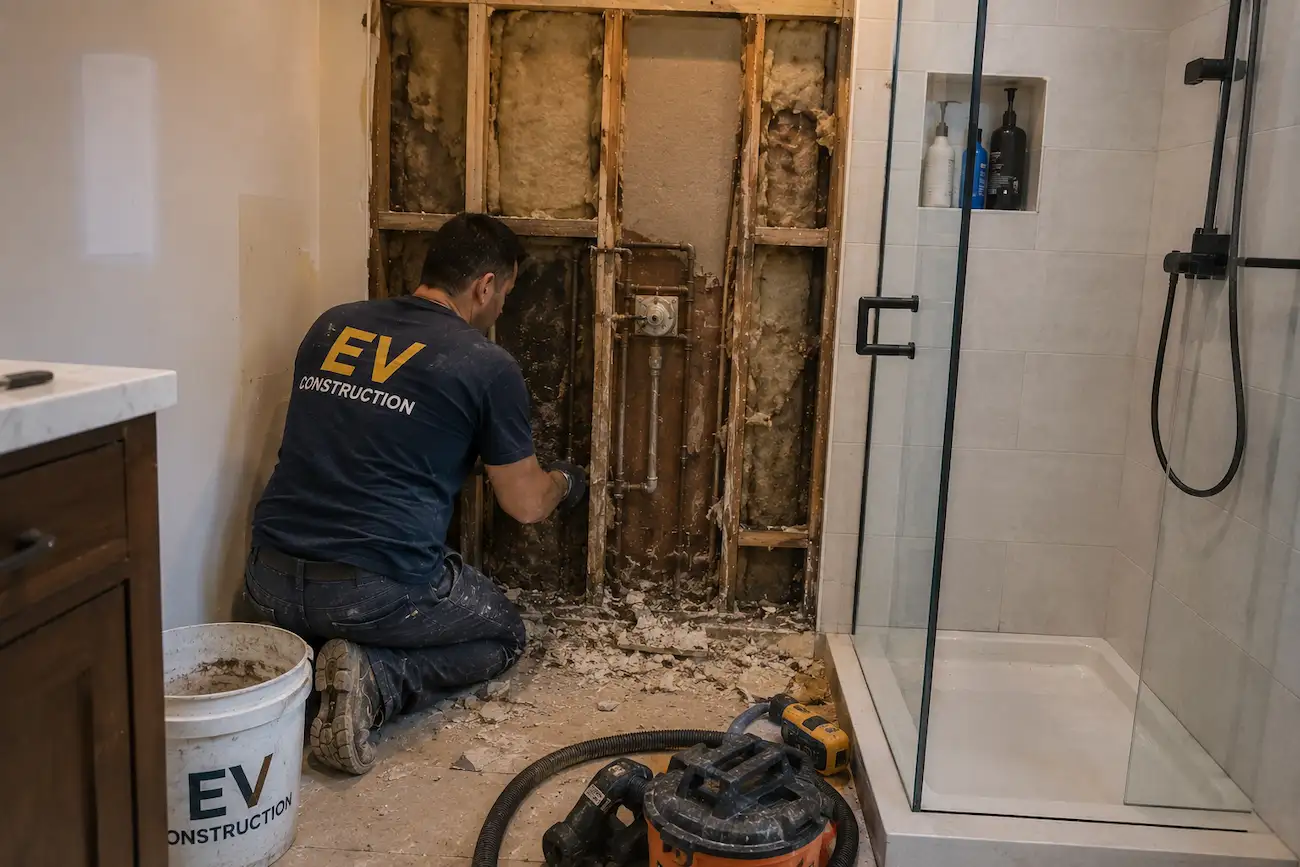
Unpermitted work can cause resale delays, insurance complications, and stop-work orders. Richmond Hill inspectors frequently verify permit history during property transactions, especially in high-growth areas. If illegal plumbing or structural work is discovered, the city can force you to tear out finished walls to inspect the rough-ins at your own expense.
Frequently Asked Questions (FAQ)
Do I need a permit to renovate my bathroom in Ontario?
In Ontario, you generally do not need a permit for cosmetic bathroom renovations, such as replacing tile, vanities, or toilets in their existing locations. However, a permit is legally mandatory if you move plumbing drains, alter structural walls, change ventilation, or add a new bathroom where one didn’t exist.
How much does a bathroom permit cost in Richmond Hill (2026)?
Permit fees vary by scope. A standalone plumbing permit typically starts at $200–$300, while a full building permit is calculated based on the renovation’s square footage. On average, homeowners should budget $500–$900 for municipal fees.
How long is the permit approval turnaround?
The Richmond Hill Building Division aims for a 10-to-15 business day review period. However, incomplete drawings or high seasonal volume can extend this to 20 days. Planning at least a month ahead is recommended.
Can I convert my tub to a shower without a permit?
If you are simply replacing the tub with a shower base and the plumbing drain remains the same size (1.5″), a permit is often not required. However, if you increase the drain size to 2″ (standard for modern showers) or move the drain’s location, you must obtain a plumbing permit.
Do I need a permit for a basement bathroom rough-in?
Yes. Even if you aren’t finishing the bathroom immediately, any new underground plumbing or drainage installation requires inspection to ensure the backwash and venting systems meet the Ontario Building Code.
Who is responsible for the ESA permit?
While the homeowner is legally responsible, your licensed electrician usually pulls the ESA permit and schedules the inspection. Always ask for the ESA Certificate of Acceptance upon completion.
Plan Your Renovation the Smart Way
Whether your project is a cosmetic upgrade or a full structural transformation, understanding permit requirements before demolition begins protects your timeline and investment. The smartest renovation is one that finishes cleanly—legally and structurally.
Ready to confirm if your Richmond Hill bathroom renovation requires a permit?
Book a 15-minute Permit Audit and renovate with confidence.