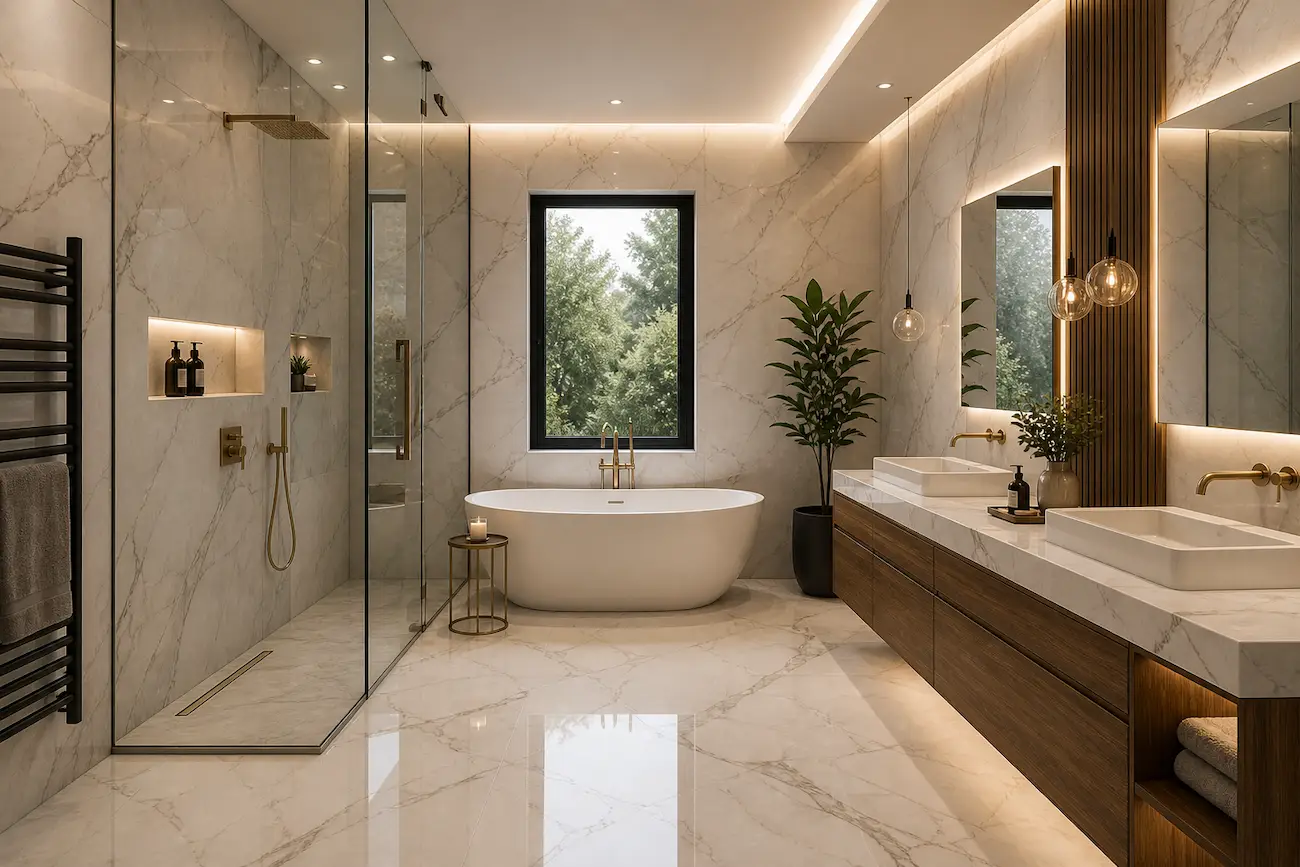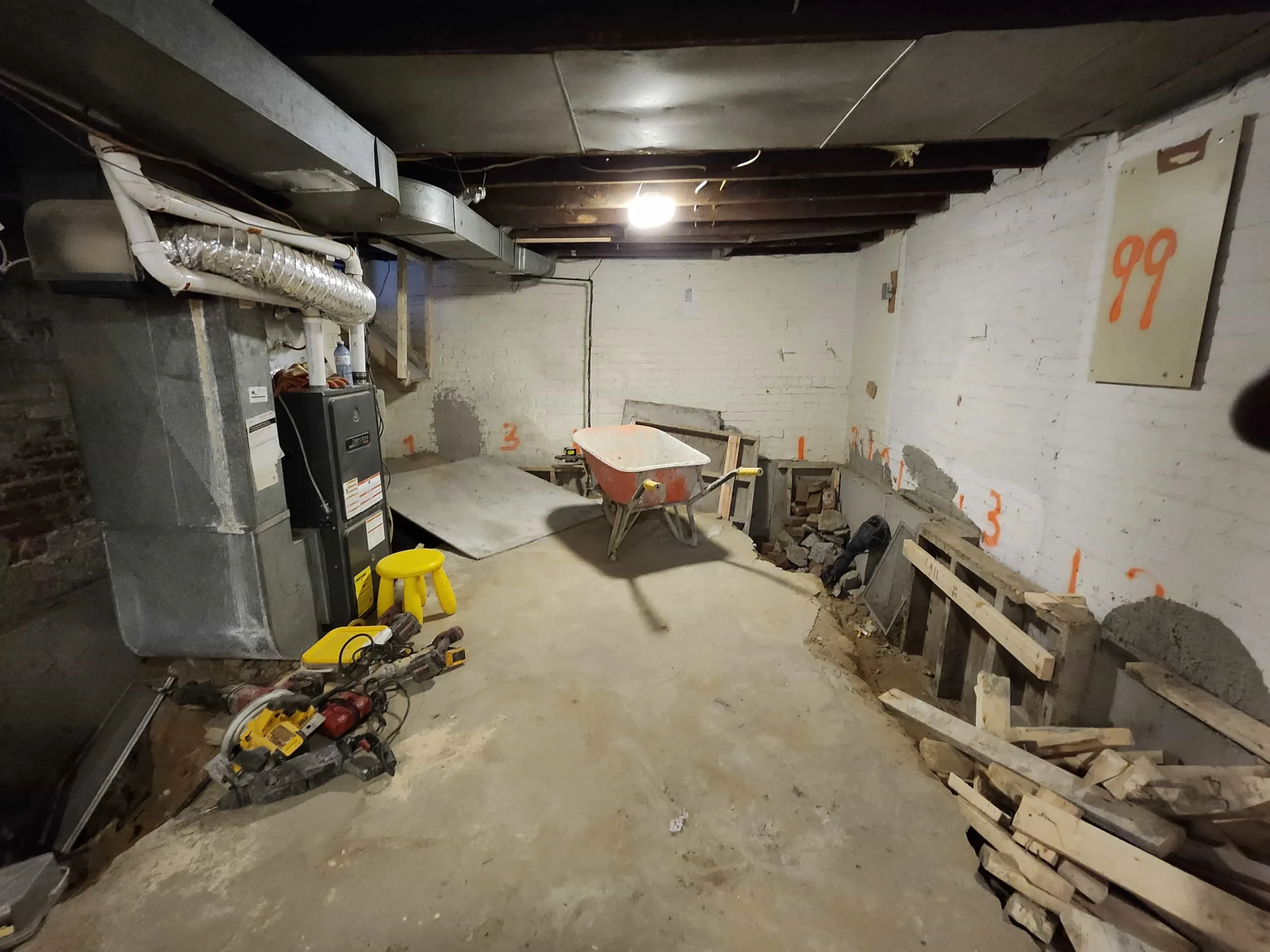
As families grow, space can start to feel tight — especially in areas like North York and Richmond Hill. Instead of going through the stress of moving, a home addition can be an amazing way to get the extra room you need while staying in a place you love.
With a free consultation from EV Construction, you can quickly explore the best options for adding space to your home.
This guide will walk you through the most popular addition types, simple design tips, budgeting basics, permit advice, and how to get the best return on your investment.
1. Start With Your Needs: A Simple Planning Roadmap
Before choosing the type of addition, take some time to understand what your family truly needs.
Ask yourself:
- What will we use the new space for? (A nursery, office, extra bedroom, playroom, or a mix of many things?)
- What is our budget and timeline? Plan ahead for big life events like welcoming a new baby or starting a home-based business.
- Are there any city rules or limits? Things like lot size, height limits, and how close you can build to neighbors.
Pro Tip: Try to design spaces that can evolve over time. Today’s nursery can become tomorrow’s office or guest room. Avoid single-purpose rooms if possible.
2. Most Popular Home Addition Options for Families
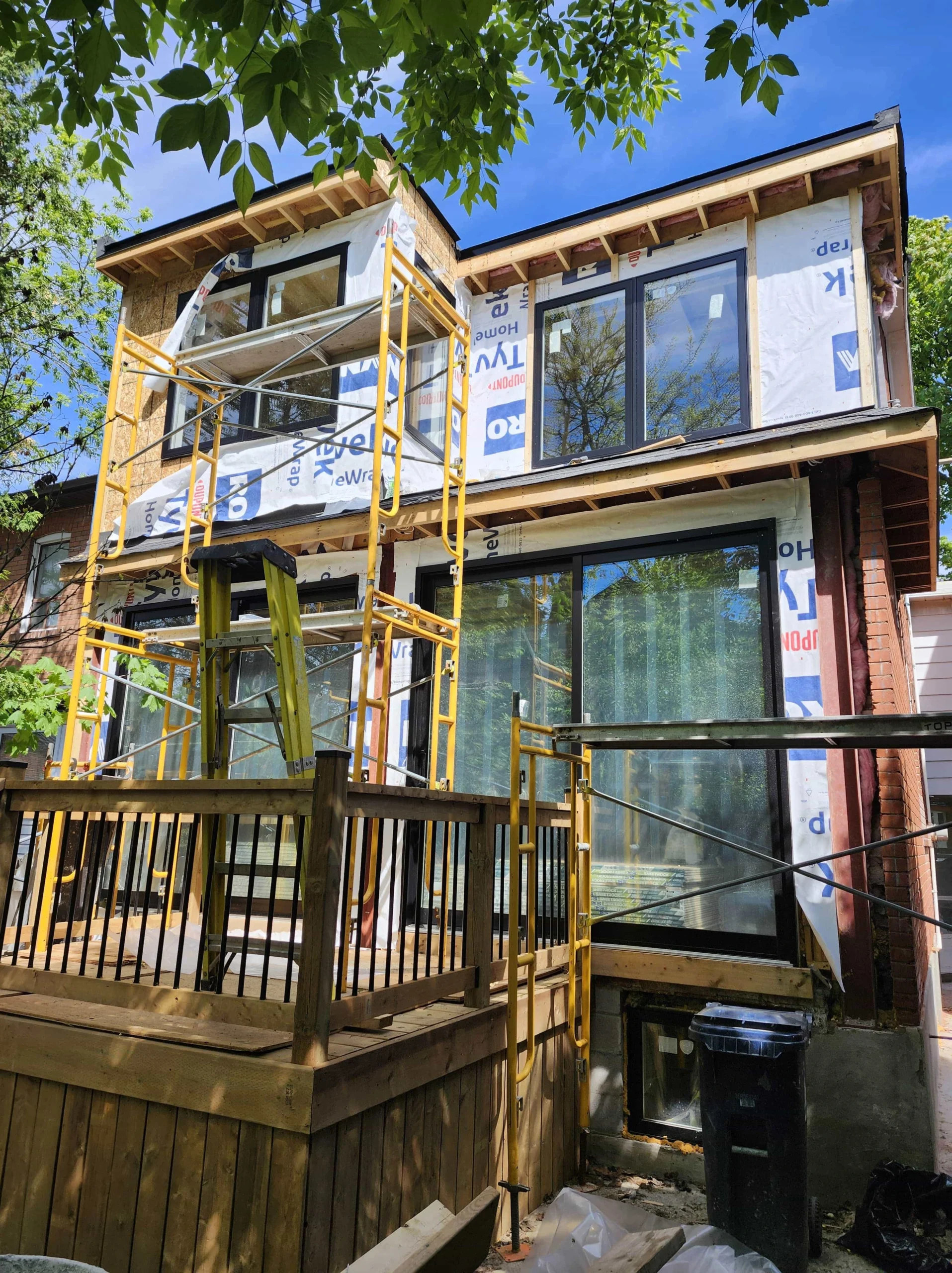
- Second-Story Addition
- Why families love it: You get almost double the space without losing any yard area.
- Things to consider: You may need to strengthen the foundation, and the project takes longer.
- Best for: Small lots with big space needs.
- Rear or Side Addition
- Perfect for: A bigger kitchen, a family room, or a bright play area.
- Benefits: Lots of natural light and better access to the backyard.
- Considerations: It may reduce yard space and is subject to lot coverage rules.
- Tip: Use large windows or sliding doors to make the space feel open and connected to the outdoors.
- Bump-Out Addition
- A small extension (usually 3–8 ft) added to an existing room.
- Great for: A breakfast corner, reading nook, or extra kitchen space.
- Benefits: Lower cost, faster to build, and minimal structural work.
- Garage Conversion
- Benefits: Quick, affordable, and adds a bedroom, studio, or office.
- Challenges: Heating, insulation, and natural light need attention.
- You also lose parking space.
- Finished Basement
- Benefits: Amazing for playrooms, home theaters, or multi-use rooms. Also great for sound control.
- Challenges: Moisture and limited light.
- Solutions: Window wells, recessed lighting, bright paint, and moisture-resistant flooring.
- Attic Conversion
- Perfect for: A quiet office or guest room.
- Challenges: Ceiling height, ventilation, and proper stairs.
- Idea: Add skylights to brighten the space.
- Sunroom / Four-Season Room
- Benefits: A bright, relaxing space for morning coffee, reading, or kids’ activities.
- Challenge: Needs proper insulation to use year-round.
- In-Law Suite
- Benefits: A private living space for parents or long-term guests. Usually includes a small kitchen and bathroom.
- ROI: One of the best ways to increase your home’s value.
3. Family-Friendly Design Tips: Safe, Flexible, Functional
- Child Safety: Rounded corners, non-slip floors, outlet covers.
- Good Lighting & Airflow: Big windows, skylights, and healthy ventilation.
- Smart Storage: Built-in shelves, storage benches, wall units.
- Flexible Layouts: Sliding doors and modular furniture that adapts as kids grow.
- Accessibility: Wide doorways and easy-to-move-in spaces for long-term comfort.
4. Budget, Timeline & Return on Investment
- What affects cost? Type of addition, size, materials, finishes, and structural needs.
- Budget Tip: Always add a 10–15% buffer for unexpected changes.
- Best ROI Additions:
- Bigger kitchens
- Additional bedrooms with bathrooms
- In-law suites
- Finished basements
- Timeline Notes:
- Major structural additions take longer.
- Garage conversions and bump-outs are usually faster.
5. Permits, Codes & Keeping Peace with Neighbors
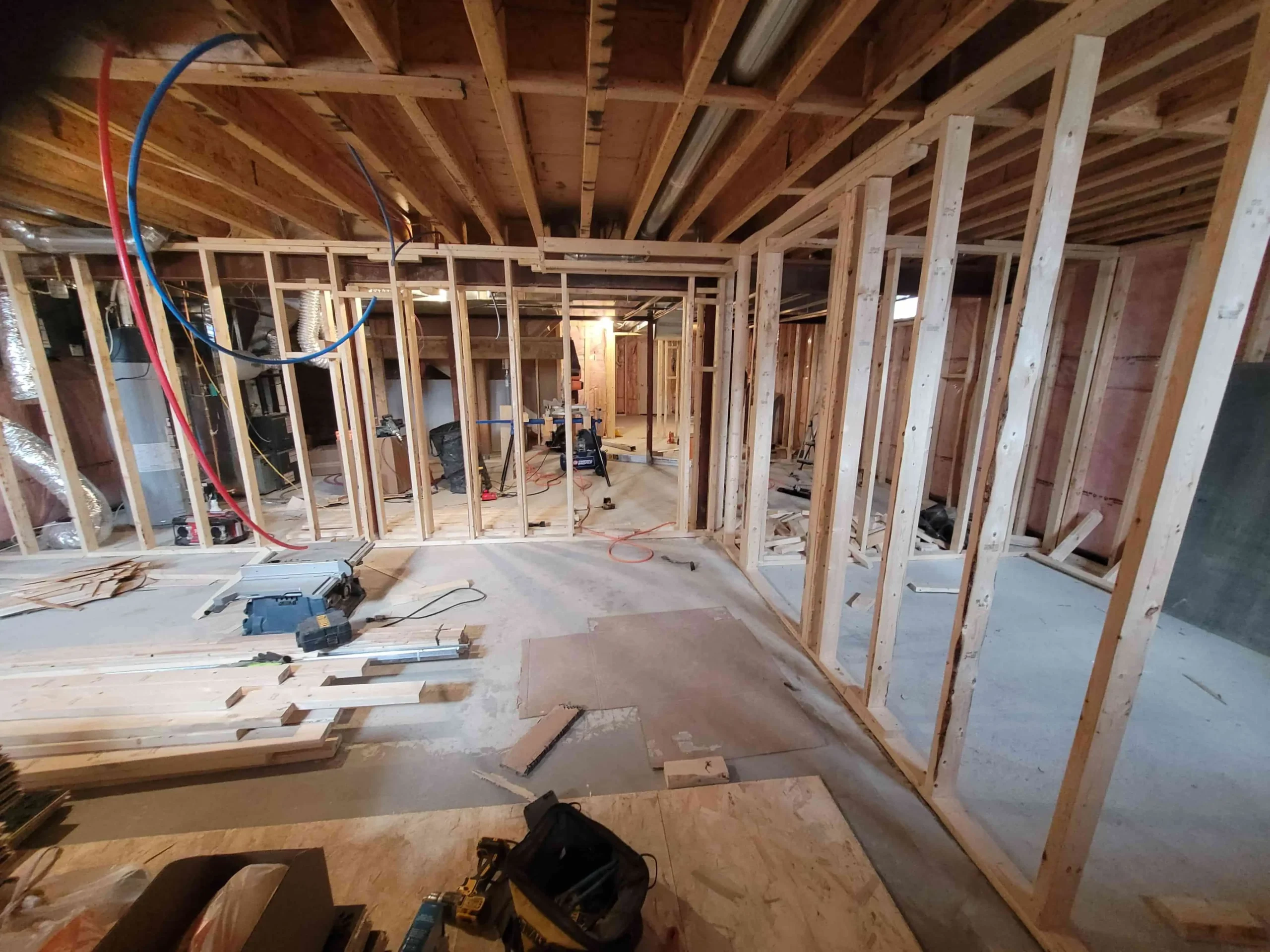
- Most additions need permits and multiple inspections.
- Follow rules on height, distance from property lines, and emergency exits.
- Be respectful of neighbors: Communicate early, keep noise under control, and design with privacy in mind.
6. Choosing a Contractor: What to Look For
- Choose someone who specializes in home additions.
- Review past projects and ask for references.
- Make sure the contract clearly explains scope, costs, and timelines.
Before construction begins:
- Finalize drawings and materials.
- Review 3D designs if available.
- Plan for dust control and safety.
- You may need temporary relocation for bigger projects like a second-story addition.
7. Creative Ideas for Growing Families
- Playroom that becomes a study space
- Home office with a homeschool zone
- Family kitchen with homework bar
- Mudroom for better organization
- Multi-generational living spaces
8. Quick Start Checklist
- Define your goals
- Check zoning rules
- Set budget + emergency buffer
- Hire designers/architects
- Apply for permits
- Choose contractor
- Pick durable, family-friendly materials
- Plan the project timeline
Conclusion
Adding space to your home is a smart and practical solution for growing families who need more room but want to stay in a neighborhood they love. As outlined in this article, there are many home addition options from second-story and rear additions to garage, basement, attic, or in-law suite conversions that can be tailored to your budget, property limitations, and family goals.
The key to a successful project is starting with clear needs, choosing flexible and family-friendly designs, and paying close attention to safety, lighting, ventilation, and smart storage. Planning a realistic budget with a contingency buffer, understanding local permits and regulations, and working with an experienced contractor all help reduce stress and prevent costly surprises.
Ultimately, when a home addition is thoughtfully planned with long-term use in mind, it not only enhances everyday comfort and functionality but also significantly increases property value and return on investment, making it a win-win for today’s needs and tomorrow’s plans.