After many years working as a contractor and completing dozens of bathroom renovations, I’ve learned one important lesson: a spa-like bathroom has very little to do with luxury labels and almost everything to do with how the space is planned and built.
Homeowners often come to us wanting their bathroom to feel calmer, more comfortable, and more personal. What they usually mean is that they want to transform an ordinary bathroom into a place where they can relax at the beginning or end of the day. Done properly, a home spa bathroom does exactly that.
This article explains how we approach spa-inspired bathroom renovations in real homes, based on practical experience rather than trends.
What a “Home Spa” Bathroom Actually Means
Calm Comes From Simplicity

One of the most common misconceptions is that a spa bathroom needs many features. In practice, the opposite is true. The most successful spa-style bathrooms are the ones that feel open and uncluttered.
When a bathroom is full of visual noise, it never feels relaxing, regardless of how expensive the finishes might be. Removing unnecessary elements is often the first step before adding anything new.
A calm space allows materials, lighting, and proportions to do the work. This is also why many spa-inspired bathroom design ideas focus more on proportion, texture, and simplicity than on filling the room with unnecessary features.
Layout Is the Foundation of Any Spa Bathroom
Poor Flow Can’t Be Fixed With Finishes
Before choosing tiles or fixtures, the layout needs to function properly. Bathrooms that feel tight or awkward usually suffer from layout problems, not design problems.
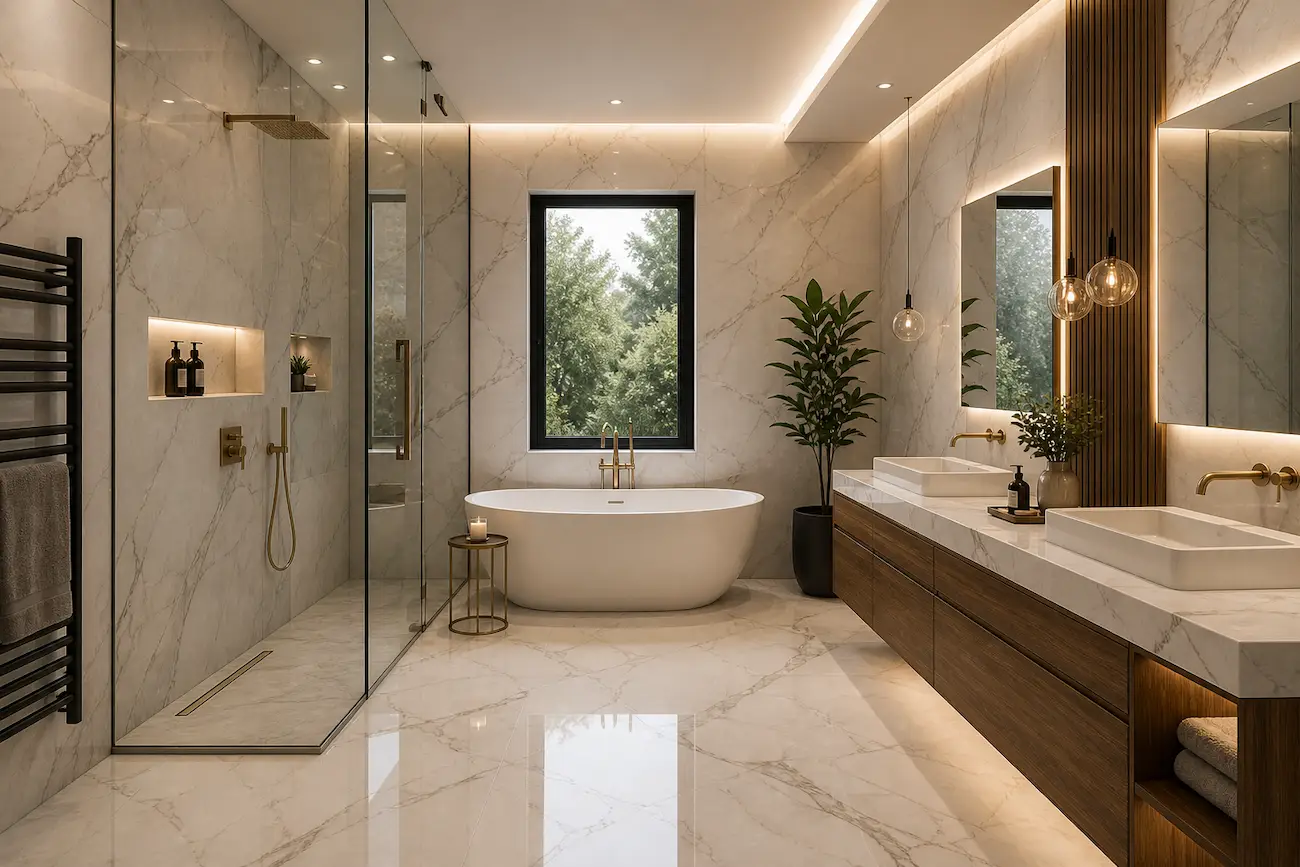
A spa-inspired layout focuses on balance and movement. Wet areas and dry areas should be clearly defined. Shower enclosures should open the room instead of breaking it into smaller sections. Even smaller bathrooms can feel more comfortable when the layout is simplified and well thought out.
Choosing Materials That Feel Natural and Timeless
Quiet Materials Create Long-Lasting Comfort
Working in renovations for years teaches you quickly which materials age well and which ones don’t. In spa bathrooms, we always recommend finishes that are calm, neutral, and durable.
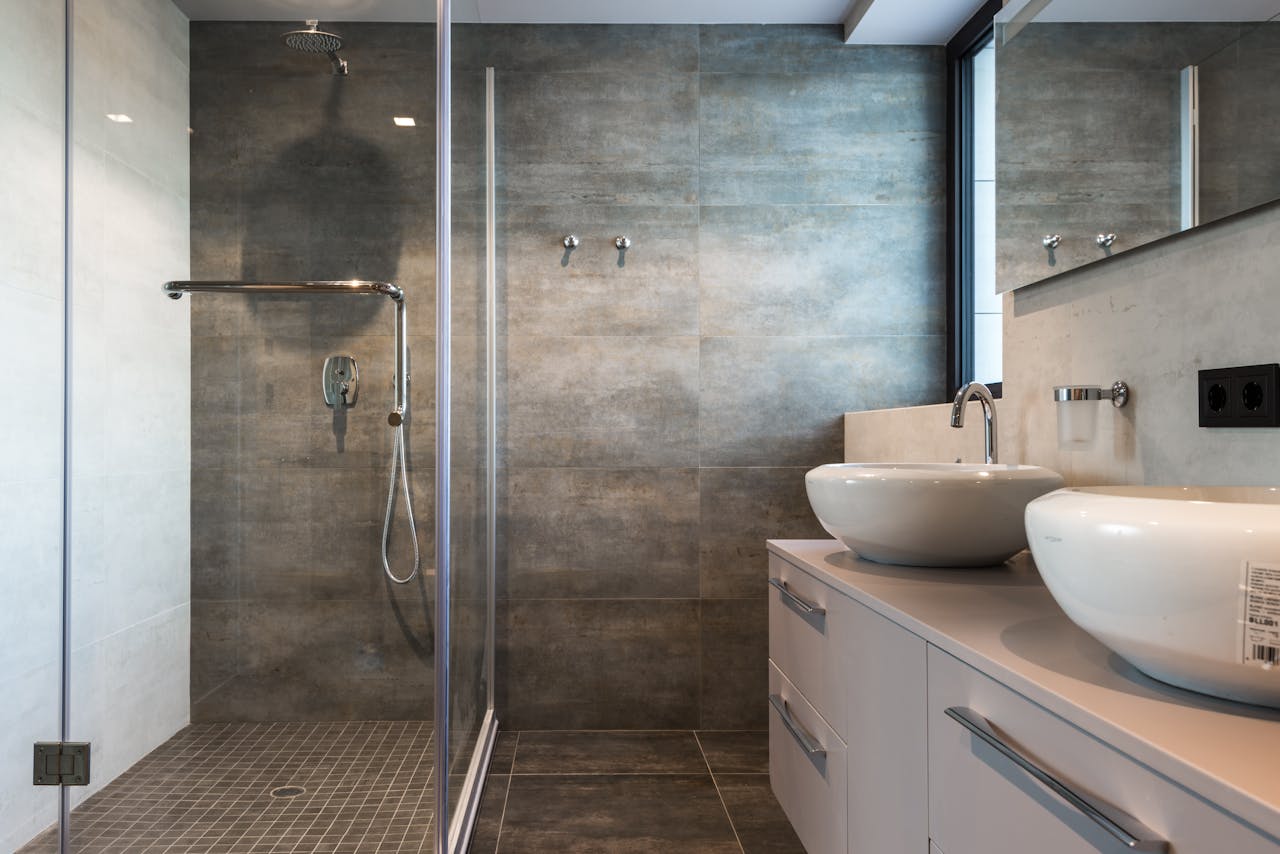
Porcelain tiles with a natural or stone-inspired finish, soft neutral color palettes, and subtle textures tend to hold up visually over time. These materials don’t compete for attention, which is exactly what you want in a relaxing space.
In our experience with high-moisture environments, we often see homeowners struggle with the maintenance of natural stone. While beautiful, a high-quality porcelain that mimics natural textures is often a more durable and practical choice for a long-lasting spa feel.
The goal isn’t to follow trends. It’s to create an environment that still feels right many years later.
Why the Shower Is the Centerpiece
Everyday Comfort Matters Most
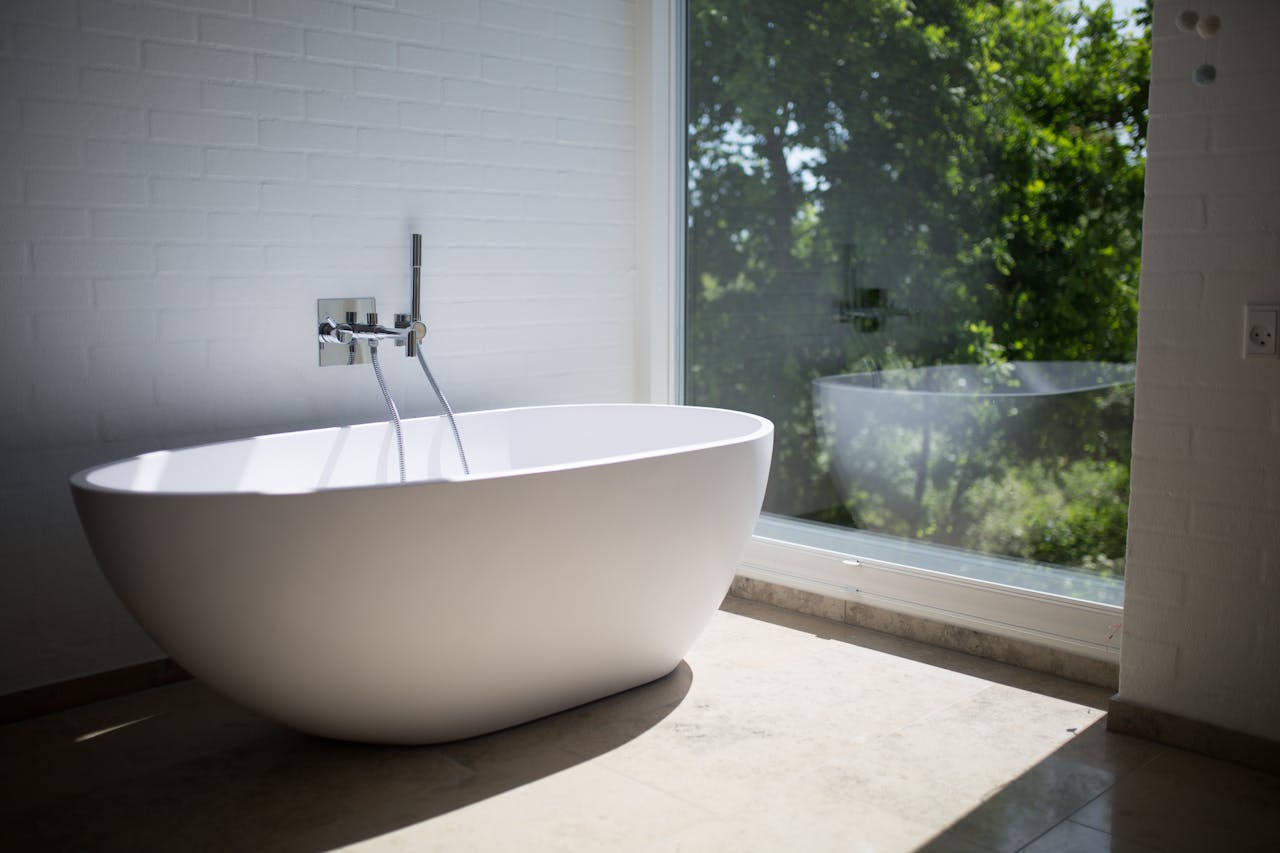
While freestanding tubs can look impressive, most homeowners spend far more time using the shower. That’s why, in real projects, the shower is where we place the most attention.
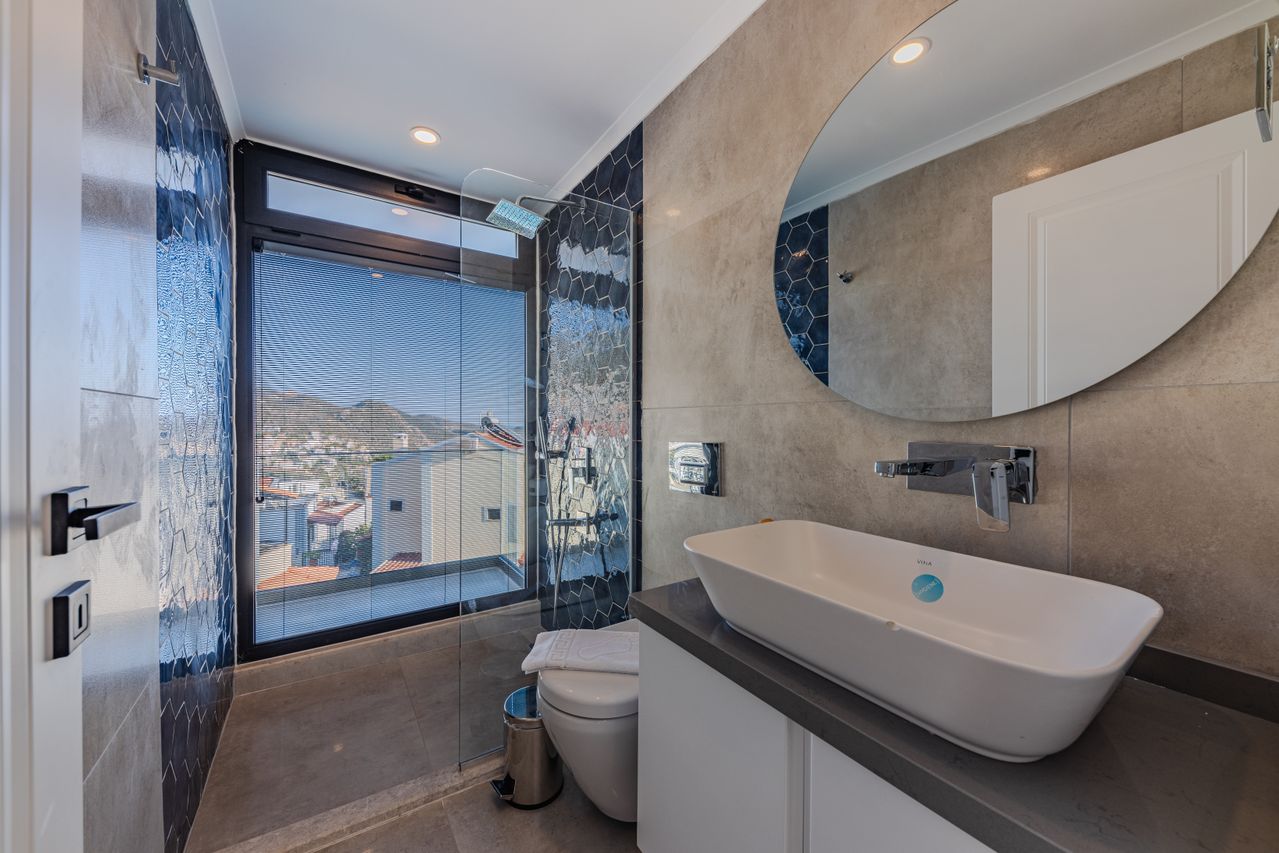
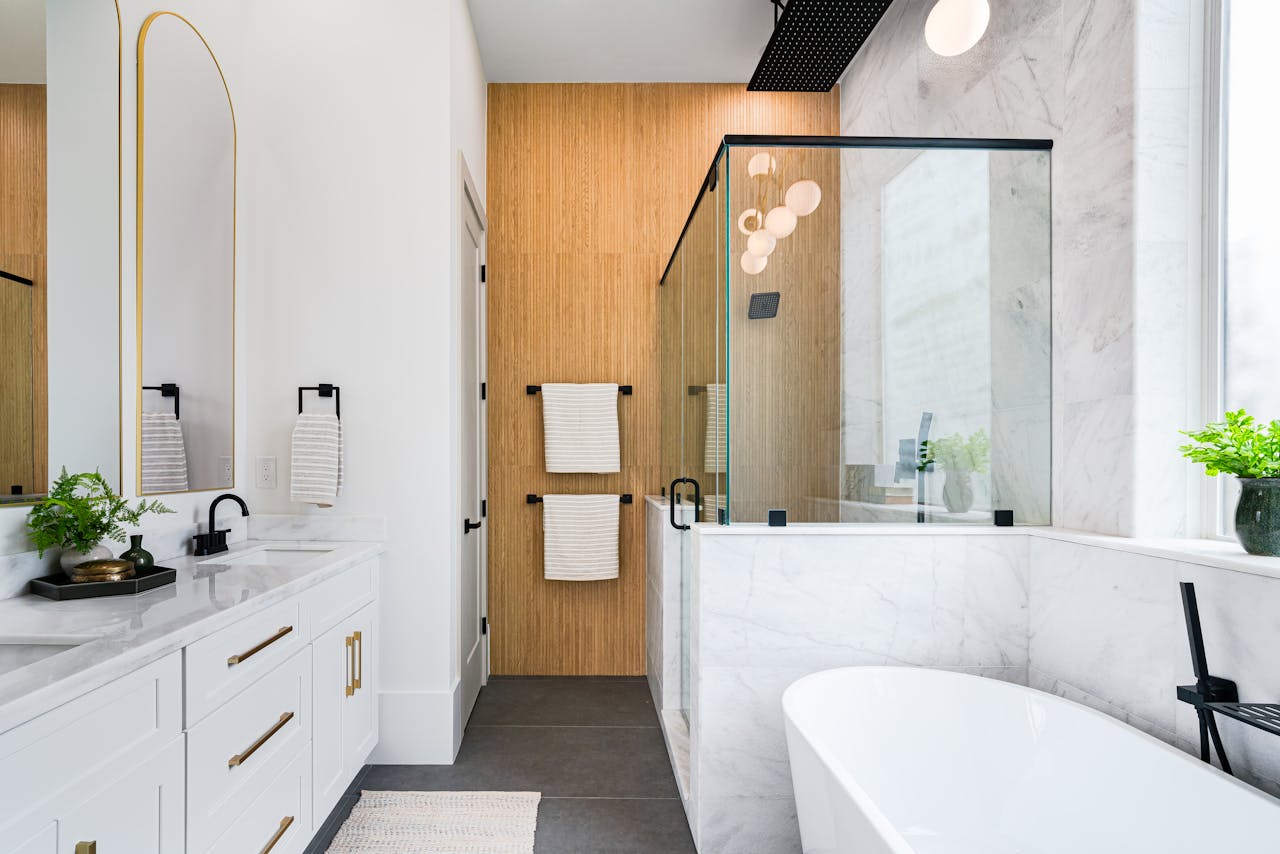
A spa-inspired shower focuses on comfort and ease of use. A level or low-profile entry creates a smooth transition. Frameless glass keeps the space visually open. Proper water pressure and drainage ensure the shower performs as well as it looks.
When designed and built correctly, a high-quality shower becomes the most appreciated feature of the entire renovation.
Lighting Sets the Mood More Than Anything Else
The Difference Between “Bright” and “Comfortable”
Lighting is one of the most underestimated aspects of bathroom renovations. Harsh lighting can make a new bathroom feel cold and uninviting.
In a spa-style bathroom, lighting should feel warm and controlled. Soft ambient lighting combined with practical task lighting around the mirror creates balance. Adding dimmers allows the space to adapt to different times of day, which drastically improves everyday use.
Good lighting doesn’t draw attention to itself. It quietly improves the entire experience.
Comfort Features That Homeowners Appreciate Every Day
These Details Matter More Than You Think
Some of the best feedback we receive doesn’t come from visual elements, but from comfort upgrades that homeowners use daily.
Heated floors, towel warmers, and quiet ventilation systems all contribute to making the bathroom feel more like a personal retreat. These features aren’t always visible, but they strongly affect how the space is experienced long after the renovation is complete.
Storage Keeps the Spa Feeling Intact
A Clear Space Is a Relaxing Space
A spa bathroom never feels cluttered. That sense of calm comes from having proper storage planned from the start.
Built-in niches, organized vanity interiors, and recessed storage solutions help keep everyday items out of sight. When surfaces remain clear, the space naturally feels cleaner and more peaceful.
Storage planning is one of the areas where professional experience makes a noticeable difference.
Permits and Building Requirements for Spa-Style Bathrooms
When Permits Are Usually Required
Many homeowners are surprised to learn that spa bathroom upgrades may require permits, depending on the scope of work. While cosmetic changes such as tile replacement or fixture upgrades usually do not require permits, spa-related features often involve systems that do.
Permits are commonly required when a spa bathroom renovation includes structural changes, plumbing relocation, electrical upgrades, or heated flooring systems. Walk-in showers with modified drainage, additional waterproofing assemblies, or new ventilation configurations may also trigger permit requirements.
It’s also important to consider the existing infrastructure. In many older homes, particularly across the GTA, adding features like heated flooring or high-output steam showers may require electrical panel upgrades to meet modern safety codes.
Requirements can vary depending on the exact scope of work, but the same planning mindset applies to most serious bathroom projects, similar to what we explain in our bathroom renovation permit guide.
Electrical and Mechanical Considerations
Spa features often increase electrical demand. Heated floors, towel warmers, in-mirror lighting, and smart controls typically require upgraded circuits and proper load calculations. These changes must meet local electrical codes and are usually subject to inspection.
Ventilation is also critical. A quiet, high-capacity exhaust fan is a standard part of spa bathroom design, but its installation must comply with mechanical code requirements to ensure proper moisture removal.
Why Professional Permit Handling Matters
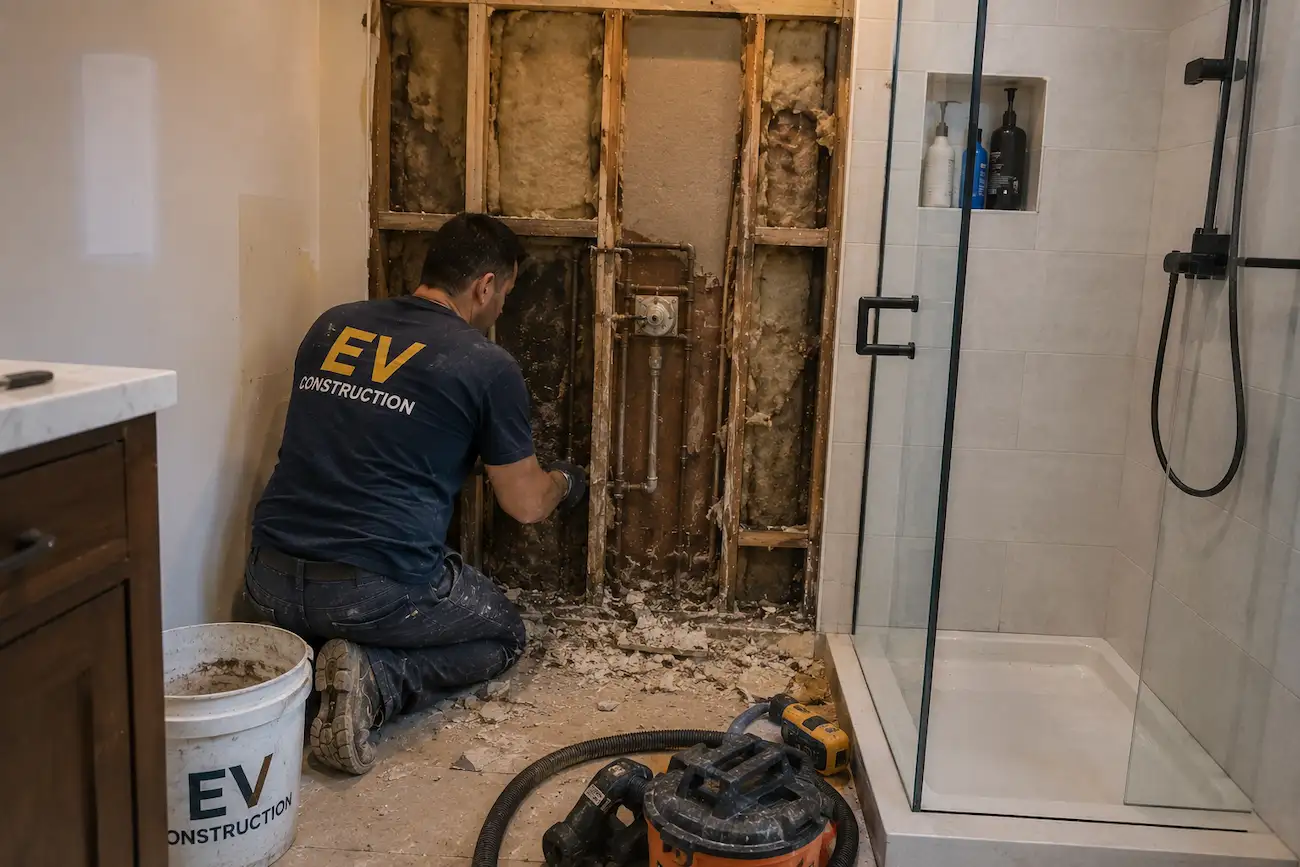
From a contractor’s perspective, permits are not just paperwork. They ensure that waterproofing, electrical systems, and safety measures are installed correctly. Skipping permits to save time or money often leads to problems later, especially in moisture-heavy spa environments.
At EV Construction, permit requirements are reviewed early in the planning stage so there are no surprises once construction begins.
Typical Costs for Spa-Specific Bathroom Features
Spa Features Cost Breakdown
The costs below reflect spa-focused upgrades only, not a full standard bathroom renovation. Actual pricing varies depending on layout, materials, and installation complexity.
These features are often phased into a project based on budget and priorities. Even selecting a few carefully chosen spa upgrades can significantly transform how the bathroom feels. For homeowners comparing upgrade options, it helps to think about these items as part of broader bathroom renovation cost planning rather than isolated finish choices.
From a contractor’s perspective, if you are working with a set budget, we always recommend prioritizing invisible essentials like high-grade waterproofing and a functional layout over high-end fixtures. A beautiful bathroom is only a spa if it stays leak-free and easy to use for years.
| Spa Bathroom Feature | Typical Price Range (CAD) | Notes |
|---|---|---|
| Heated bathroom floors | $1,500 – $3,500 | Includes material and professional installation |
| Curbless walk-in shower upgrade | $4,000 – $8,000 | Drain relocation and waterproofing included |
| Frameless glass shower enclosure | $1,800 – $3,500 | Based on custom sizing |
| Rainfall / spa shower system | $1,200 – $3,000 | Valve and rough-in complexity affects cost |
| Towel warmer installation | $600 – $1,500 | Electrical or hydronic models |
| Upgraded spa lighting and dimmers | $800 – $2,200 | Includes LED accents and controls |
| Quiet high-performance exhaust fan | $600 – $1,400 | Includes ducting and electrical work |
These features are often phased into a project based on budget and priorities. Even selecting a few carefully chosen spa upgrades can significantly transform how the bathroom feels.
Quick Summary: What Creates a Real Home Spa Bathroom
A true spa-inspired bathroom is defined by a clean and functional layout, calm and timeless materials, a properly designed shower, soft and layered lighting, everyday comfort features, thoughtful storage, proper permitting where required, and high-quality execution behind the scenes.
When all of these elements work together, the result is a bathroom that feels balanced, durable, and relaxing rather than just visually impressive. This is also why bathroom design can affect relaxation and wellness in practical ways, not just visual ones, as discussed in this overview of how stress can affect the body.
Final Thoughts From a Contractor’s Point of View
A home spa bathroom is not about showing luxury. It’s about improving your daily routine and creating a space that feels right every time you use it.
At EV Construction, we approach bathroom renovation projects with this mindset. The goal is always to deliver a bathroom that looks good, functions properly, and continues to feel comfortable long after the renovation is finished.
For homeowners in Toronto and the GTA, that often means balancing design goals with practical construction details, permit requirements, ventilation, waterproofing, and long-term durability.
If you are planning a spa-style upgrade and want it done correctly, our bathroom renovation services page explains how we guide homeowners through design, permits, construction, and finishing with clarity and experience.
Frequently Asked Questions About Spa-Inspired Bathroom Renovations
Is creating a spa-style bathroom only possible in large spaces?
No, a spa-style bathroom is more about layout and simplicity than size. Even in smaller bathrooms, removing visual clutter, improving flow, and using consistent materials can create a calm and comfortable environment. In many cases, simplifying the layout makes a bigger impact than increasing square footage.
What is the most important feature in a spa-inspired bathroom?
In real projects, the shower tends to be the most used and appreciated feature. A well-designed shower with proper drainage, comfortable access, and balanced water pressure usually has a greater daily impact than visually impressive elements like freestanding tubs.
Do spa bathroom upgrades significantly increase renovation costs?
Not necessarily. Many spa features can be added selectively based on budget. For example, upgrading lighting, improving ventilation, or adding heated flooring in key areas can noticeably improve comfort without requiring a full high-end renovation.
Are permits required for spa-style bathroom renovations?
It depends on the scope of work. Cosmetic changes usually do not require permits, but upgrades involving electrical systems, plumbing relocation, heated floors, or structural modifications often do. It is important to review permit requirements early to avoid delays or complications later.
How do you maintain a spa-like feeling over time?
Long-term comfort comes from good planning rather than decoration. Durable materials, proper storage, and balanced lighting help maintain a clean and uncluttered environment, which is essential for long-term comfort.